Adapting Subtitle Generation Tools for Real-Time Translation in Multilingual Audience Gaming Interactions
Iris Long · Jul 24, 2026
Adapting Subtitle Generation Tools for Real-Time Translation in Multilingual Audience Gaming Interactions
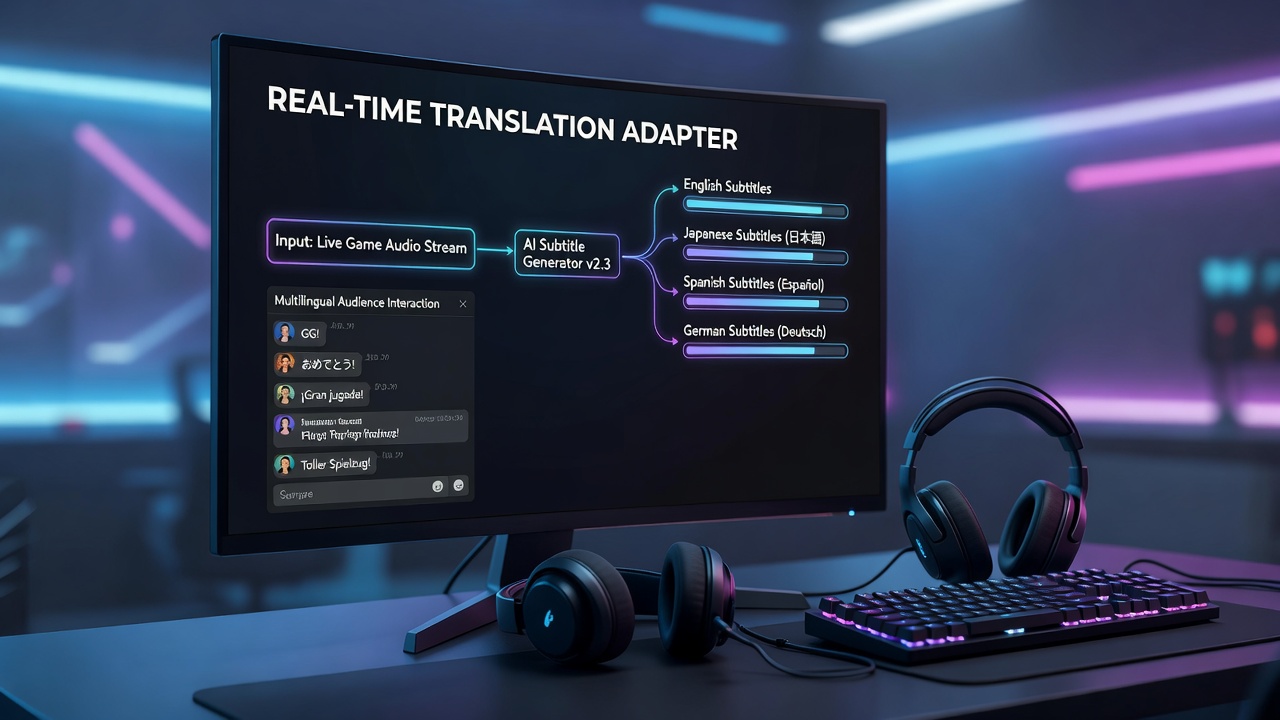
Multilingual audiences now participate in gaming interactions across platforms where spoken commentary and in-game voice chat require immediate translation into subtitles, and developers have adapted existing subtitle generation systems to handle this demand through integrated speech recognition combined with neural machine translation engines. These adaptations focus on reducing processing delays while maintaining accuracy in fast-paced environments like esports matches and cooperative multiplayer sessions.
Core Technologies Behind the Adaptation
Subtitle tools originally designed for recorded video content now incorporate low-latency pipelines that process audio streams in segments under 500 milliseconds, according to technical documentation from major cloud service providers. Systems combine automatic speech recognition models trained on gaming-specific terminology with translation layers that support over 100 language pairs, allowing viewers to select preferred output languages during live broadcasts. Researchers at institutions studying human-computer interaction have documented how these tools integrate with game engines to pull contextual data such as player names and objective labels, which improves translation relevance without requiring manual input from streamers.
Engineers achieve synchronization by embedding timestamped metadata into the subtitle feed, ensuring text appears alongside corresponding audio events even when network conditions fluctuate. In July 2026 several platforms reported deployment of updated APIs that further compress translation models for edge computing devices, cutting average latency by measurable margins in cross-regional tests.
Implementation in Live Gaming Environments
Streaming setups route game audio and commentator microphones through dedicated processing servers that apply noise suppression filters before feeding data into subtitle engines. This sequence prevents background effects from degrading recognition quality, while custom dictionaries allow teams to preload terms like map locations or ability names common in specific titles. Observers note that tournament organizers increasingly require these subtitle layers for international viewership, particularly in events drawing participants from multiple continents.
One documented workflow involves OBS or similar software capturing separate audio tracks, then routing them to cloud-based translation services that return formatted subtitle packets for overlay display. Data from industry reports indicates adoption rates rose steadily through 2025 as hardware improvements supported sustained real-time operation without frame drops.
Accuracy Challenges and Mitigation Strategies
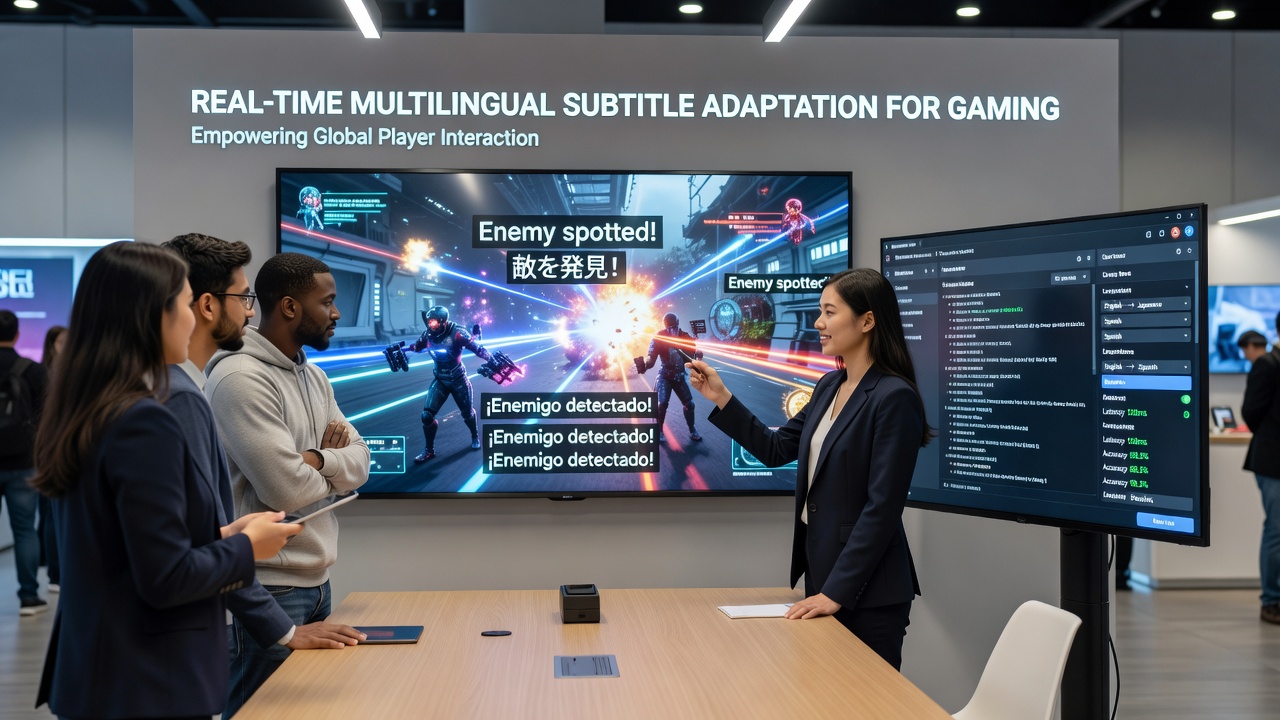
Accents, overlapping speech, and domain-specific slang present persistent hurdles for real-time systems, yet developers counter these issues through continuous model fine-tuning on annotated gaming corpora. Studies conducted by university labs have measured word error rates dropping below 15 percent in controlled tests when systems receive prior exposure to player dialects and game jargon. Adaptive learning components update dictionaries mid-session based on repeated phrases, which helps maintain consistency across extended matches.
Regional variations in language usage also require attention, and teams often maintain separate translation profiles for different audience clusters. The International Telecommunication Union has published guidelines on accessibility standards that encourage such localization features in digital media tools, and several gaming organizations reference these recommendations when configuring subtitle services for global events.
Viewer Interaction and Accessibility Outcomes
Audiences gain direct benefits when subtitle options appear as selectable toggles within chat interfaces or companion apps, allowing individuals to switch languages without interrupting gameplay viewing. Research from academic groups tracking user engagement shows higher retention metrics among non-native speakers when accurate real-time captions accompany commentary. Platform analytics further reveal that multilingual subtitle availability correlates with expanded geographic reach for smaller tournaments that previously struggled to attract international viewers.
Integration with voice chat systems inside games themselves extends these capabilities beyond broadcast streams, enabling team members speaking different languages to coordinate through translated text overlays. Developers achieve this by hooking into existing voice APIs and applying the same translation models used for audience-facing subtitles.
Future Developments and Platform Support
Hardware acceleration on consumer GPUs continues to expand the feasibility of on-device translation, reducing reliance on distant servers and associated latency. In July 2026 several major game distribution services announced native support for embedded subtitle translation modules, allowing developers to include these features at the engine level rather than through external overlays. Continued refinement of transformer-based models promises further gains in handling idiomatic expressions unique to gaming communities.
Industry associations such as the Entertainment Software Association have highlighted these accessibility enhancements in annual reports, noting their role in broadening participation across diverse linguistic groups. Observers tracking adoption patterns expect incremental integration with emerging virtual reality environments where spatial audio cues will require synchronized subtitle positioning.
Conclusion
Adaptation of subtitle generation tools for real-time translation now supports broader multilingual participation in gaming interactions through technical refinements in latency management, contextual accuracy, and platform integration. Data from multiple sources confirms measurable improvements in viewer accessibility as these systems scale, while ongoing research addresses remaining challenges in speech variability and language coverage. The trajectory points toward deeper embedding of these capabilities within both broadcast and in-game environments.