Adaptive Biometric Sensor Integration for Real-Time Overlay Modulation in Cross-Regional Collaborative Gameplay Relays
Ulrich Lange · Aug 16, 2026
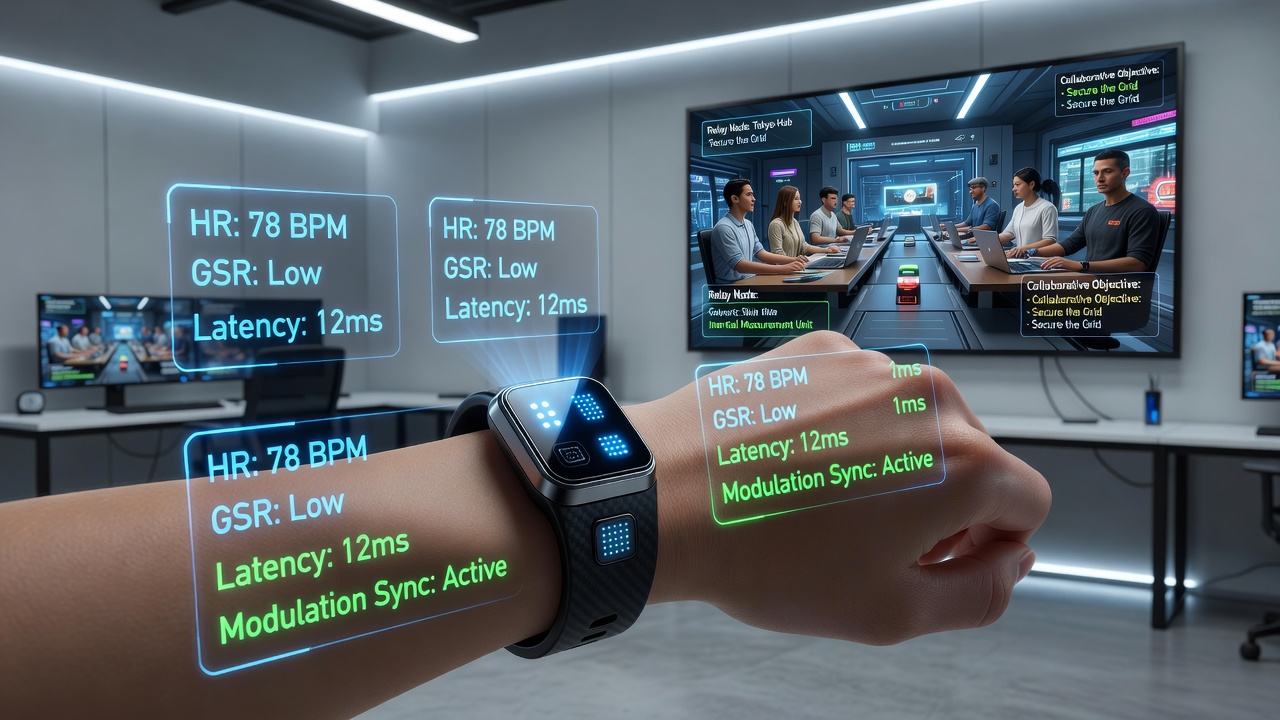
Adaptive Biometric Sensor Integration for Real-Time Overlay Modulation in Cross-Regional Collaborative Gameplay Relays
Adaptive biometric sensor integration combines heart rate monitors, galvanic skin response devices, and eye-tracking units with streaming software to adjust visual overlays in collaborative gameplay relays that span multiple continents. Systems collect physiological data from participants in real time, then translate those signals into dynamic changes in on-screen elements such as health bars, team status indicators, and environmental effects. Data flows through secure local hubs before synchronization occurs across regional servers, allowing overlays to reflect collective biometric states without introducing noticeable latency.
Sensor Hardware and Data Acquisition
Modern setups rely on wearable devices that sample at rates between 100 and 250 hertz, capturing metrics including pulse variability, skin conductance, and pupil dilation. Engineers route these signals through encrypted Bluetooth or Wi-Fi modules into capture software that timestamps each reading to millisecond precision. Observers note that calibration routines run automatically at the start of each session, aligning sensor baselines to individual resting states before gameplay begins.
Overlay Modulation Mechanics
Real-time modulation occurs when algorithms map biometric thresholds to visual parameters. For example, elevated heart rates above 140 beats per minute can trigger intensified color gradients on team overlays, while synchronized low skin conductance across multiple players may dim background lighting effects. Software layers these adjustments atop existing game feeds using GPU-accelerated compositing, maintaining frame rates above 120 frames per second during high-action sequences.
Cross-Regional Relay Synchronization
Collaborative relays that connect teams in Asia, Europe, and North America face variable network conditions that affect both gameplay and biometric data streams. Routing protocols prioritize dedicated gaming backbone connections to keep packet loss below 0.5 percent, according to industry reports from the Entertainment Software Association. Timestamped biometric packets travel alongside game state data, allowing overlay servers to reconcile readings from disparate time zones within a 30-millisecond window. Researchers at institutions such as the University of Melbourne have documented successful implementations where adaptive buffering compensated for trans-Pacific latency spikes during peak evening hours.

Privacy and Compliance Frameworks
Biometric data handling follows strict regional regulations that differ across jurisdictions. Systems operating under Canadian privacy guidelines require explicit consent forms and automatic anonymization after each session, while EU-based deployments adhere to GDPR provisions that classify physiological signals as sensitive personal data. Engineers implement on-device processing to strip identifiable information before transmission, reducing exposure during cross-border transfers.
August 2026 Developments
In August 2026 several relay tournaments adopted updated sensor firmware that introduced predictive modulation based on trend analysis rather than instantaneous thresholds. Early deployments showed improved overlay responsiveness during multi-hour events, with teams reporting smoother visual transitions when collective stress indicators rose across continents. Documentation from the International Game Developers Association details standardized APIs released that month, enabling third-party developers to create compatible modulation scripts without direct hardware access.
Integration Case Examples
One documented implementation involved four teams competing across Tokyo, London, and Chicago servers where eye-tracking data from each squad modulated shared map visibility layers. When average pupil dilation increased, fog-of-war effects lifted temporarily to highlight strategic points. Another relay series in the same year used galvanic skin response to adjust audio cue intensity in overlays, scaling warning tones according to group arousal levels measured simultaneously on separate continents. These configurations required coordinated server clusters that processed combined data streams without exceeding allocated bandwidth caps.
Technical Challenges and Solutions
Packet jitter remains a primary concern when biometric readings arrive out of sequence from distant locations. Developers counter this by applying interpolation algorithms that estimate missing values based on prior 500-millisecond windows, preserving overlay continuity. Hardware diversity adds further complexity, since sensor models from different manufacturers output incompatible data formats. Middleware translation layers convert readings into a unified schema before modulation begins, a step verified through standardized testing suites released in mid-2026.
Conclusion
Adaptive biometric sensor integration continues to evolve through incremental firmware updates and protocol refinements that address both technical and regulatory demands. Cross-regional relays benefit from these advances as overlay systems respond to aggregated physiological signals while respecting latency and privacy constraints. Continued documentation from academic and industry sources tracks performance metrics that guide future refinements in this specialized area of collaborative streaming technology.