Crafting Adaptive Macro Sequences for Automated Overlay Adjustments Based on Real-Time Performance Metrics in Competitive Matches
Clara Brooks · May 26, 2026
Crafting Adaptive Macro Sequences for Automated Overlay Adjustments Based on Real-Time Performance Metrics in Competitive Matches
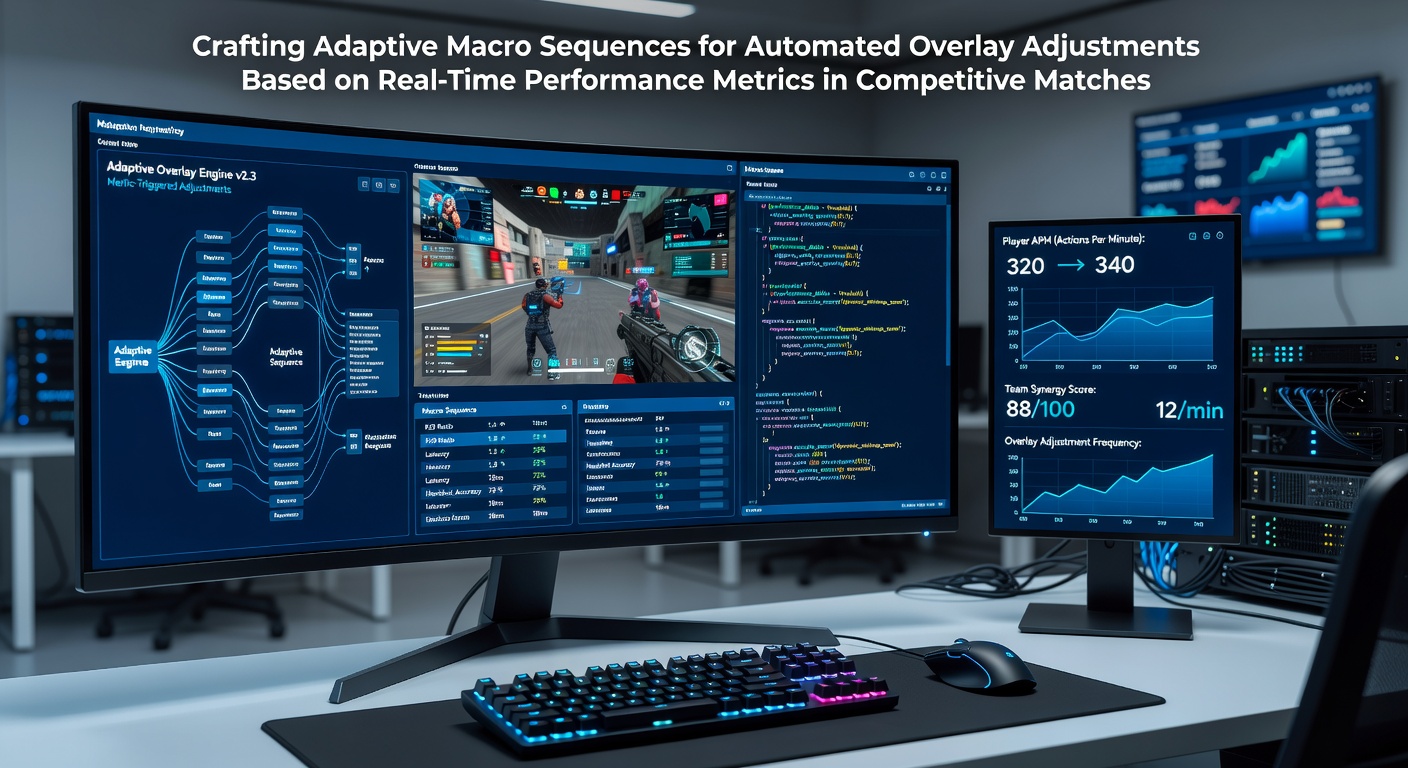
Competitive gaming environments rely on precise data streams to drive overlay systems that update automatically through macro sequences designed around live performance indicators such as kill ratios, accuracy percentages, and objective completion rates, and these sequences process incoming telemetry from game servers to trigger adjustments without manual input from production crews.
Macro construction begins with identification of core metrics drawn from player statistics APIs, after which developers map conditional triggers that activate when thresholds are crossed, for instance when a team's damage output exceeds 5000 per minute the overlay expands to display comparative graphs while shrinking non-essential elements to reduce screen clutter during intense moments.
Metric Selection and Sequence Logic
Performance metrics form the foundation because they provide quantifiable inputs that macros evaluate every few milliseconds, and common variables include average reaction time, win probability estimates, and resource management scores pulled directly from game engines, while secondary layers incorporate positional data from minimaps to reposition overlay elements dynamically.
Sequence logic incorporates branching paths so that a single macro can handle multiple scenarios, for example an early lead might prompt color shifts toward victory indicators whereas a comeback situation activates different animation priorities, and this structure prevents conflicts when several metrics update simultaneously.
Implementation Tools and Integration Points
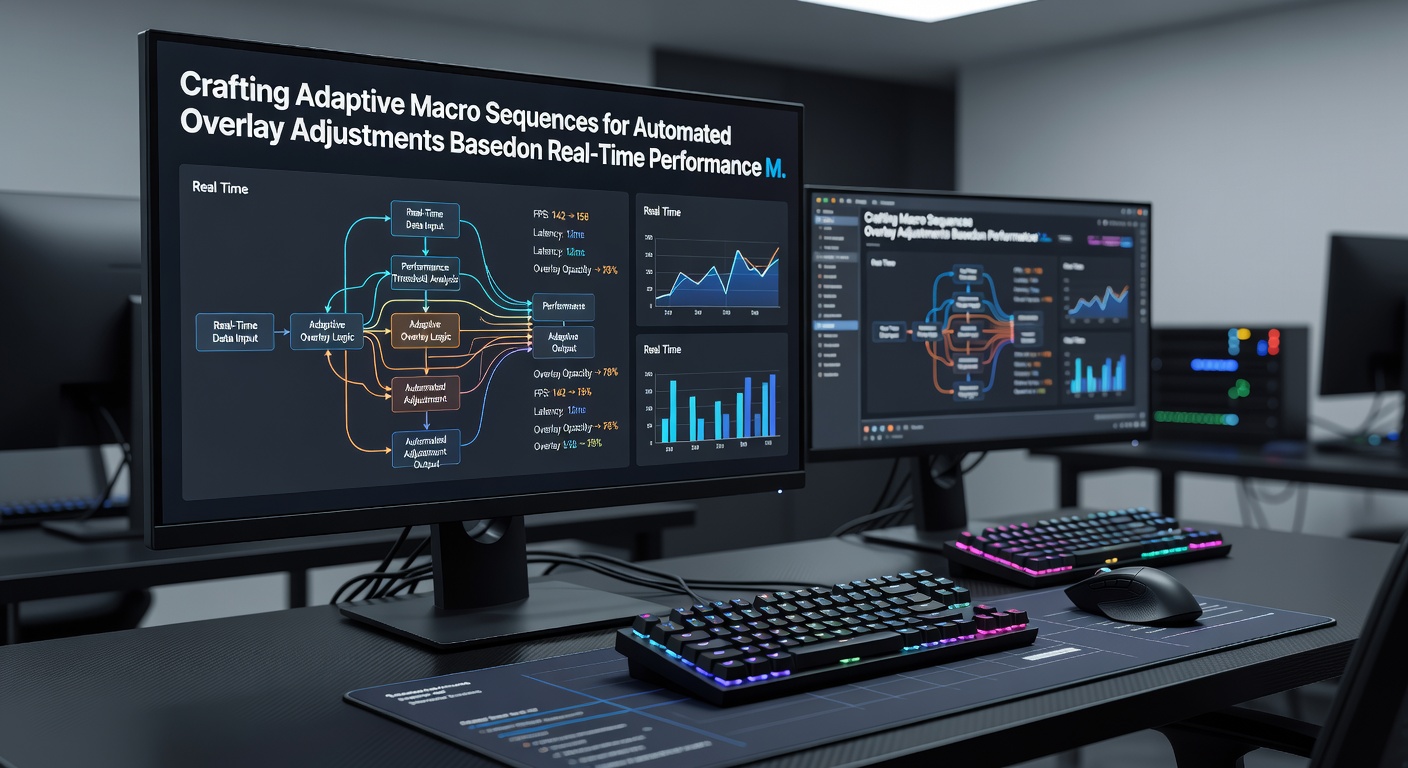
Software platforms such as custom scripting environments within broadcasting applications allow creators to define these macros through visual node editors or code-based interfaces, and integration occurs via WebSocket connections that stream match data in real time, enabling overlays to reflect changes within 100 milliseconds of the underlying event.
Hardware acceleration plays a role in maintaining frame consistency because graphics processors handle the rendering of updated elements separately from the main game feed, whereas central processing units manage the decision trees that evaluate metric conditions, and this separation ensures broadcast quality remains stable even during high-intensity sequences.
Regional tournaments held in May 2026 demonstrated scaled adoption of these systems across multiple titles, with production teams reporting streamlined workflows once initial macro libraries were established for recurring event formats.
Testing Protocols and Reliability Measures
Validation processes involve simulated match replays where macros run against recorded data sets to verify that overlay responses align with expected outcomes, and discrepancies prompt refinement of threshold values or addition of cooldown periods that prevent rapid toggling between states.
Observers note that redundancy checks become essential when network latency spikes because delayed metric packets could otherwise cause desynchronized displays, therefore fallback routines revert overlays to static configurations until fresh data arrives and normal sequencing resumes.
Industry groups including the ESL have documented standardized approaches to metric formatting that facilitate cross-title compatibility, and academic contributions from research institutions such as those at Stanford University explore optimization algorithms that reduce computational overhead while preserving responsiveness.
Case Applications Across Game Genres
First-person shooters utilize sequences that emphasize weapon-specific statistics and movement accuracy, prompting overlays to highlight kill feeds with contextual player cards when performance spikes occur, whereas multiplayer online battle arenas focus on ability cooldown tracking and teamfight contribution scores that drive larger map-wide indicators during critical engagements.
Real-time strategy titles leverage economy and unit composition metrics to adjust resource bar placements automatically, allowing viewers to track macro-level decisions without constant manual repositioning by broadcast operators, and fighting games apply simpler sequences centered on combo counters and health differentials that expand during decisive rounds.
Future Development Directions
Advancements in machine learning models continue to influence macro refinement because they enable predictive adjustments based on emerging patterns rather than fixed thresholds alone, and data collected from prior matches informs these models so that sequences anticipate likely metric trajectories several seconds ahead.
Cross-platform compatibility remains an active area because different game clients expose telemetry through varied protocols, requiring translators that normalize inputs before macros process them, while security considerations address potential exploitation vectors that could manipulate overlays through falsified metric feeds.
Conclusion
Adaptive macro sequences represent a systematic method for aligning overlay behavior with live competitive data streams, and continued refinement depends on accurate metric sourcing combined with robust testing frameworks that account for variable network conditions. Production teams that adopt these techniques achieve consistent visual delivery across extended match durations because the automation handles routine adjustments while operators retain oversight for exceptional circumstances.