Crafting Narrative Arcs Through Sequential Scene Transitions in Extended Single-Player Showcase Events
Alex Hayes · Jul 12, 2026
Crafting Narrative Arcs Through Sequential Scene Transitions in Extended Single-Player Showcase Events
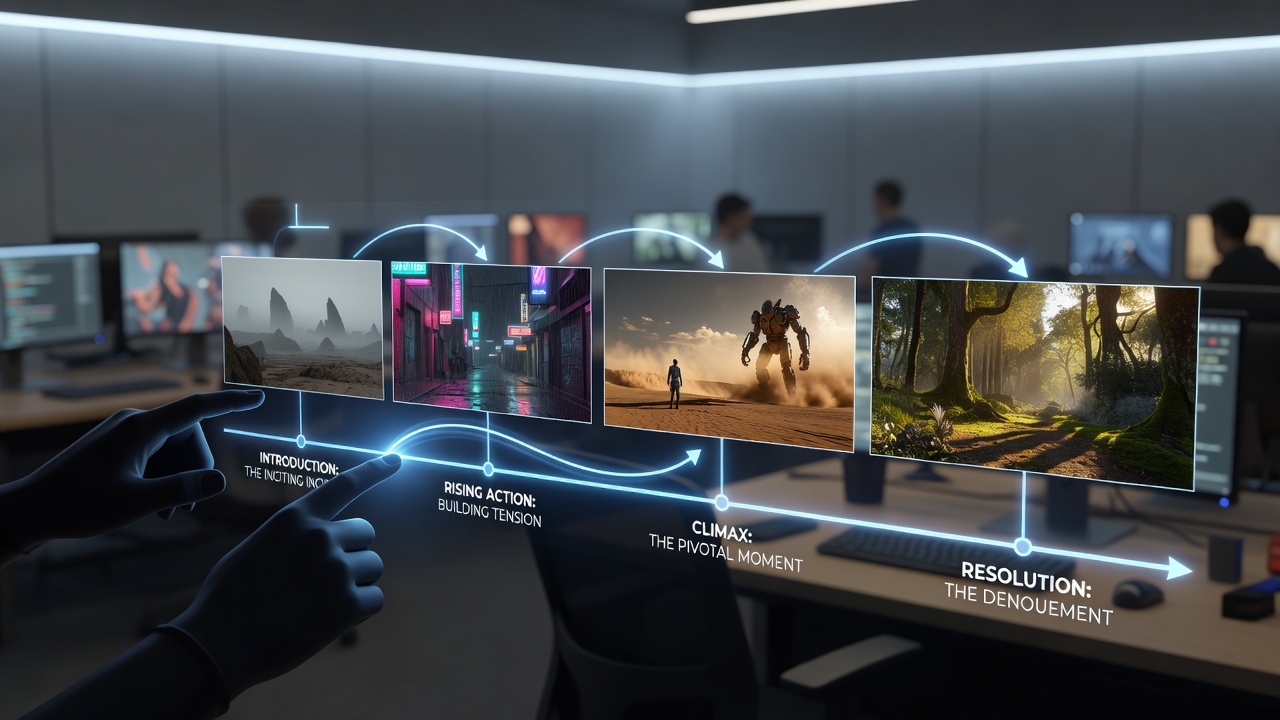
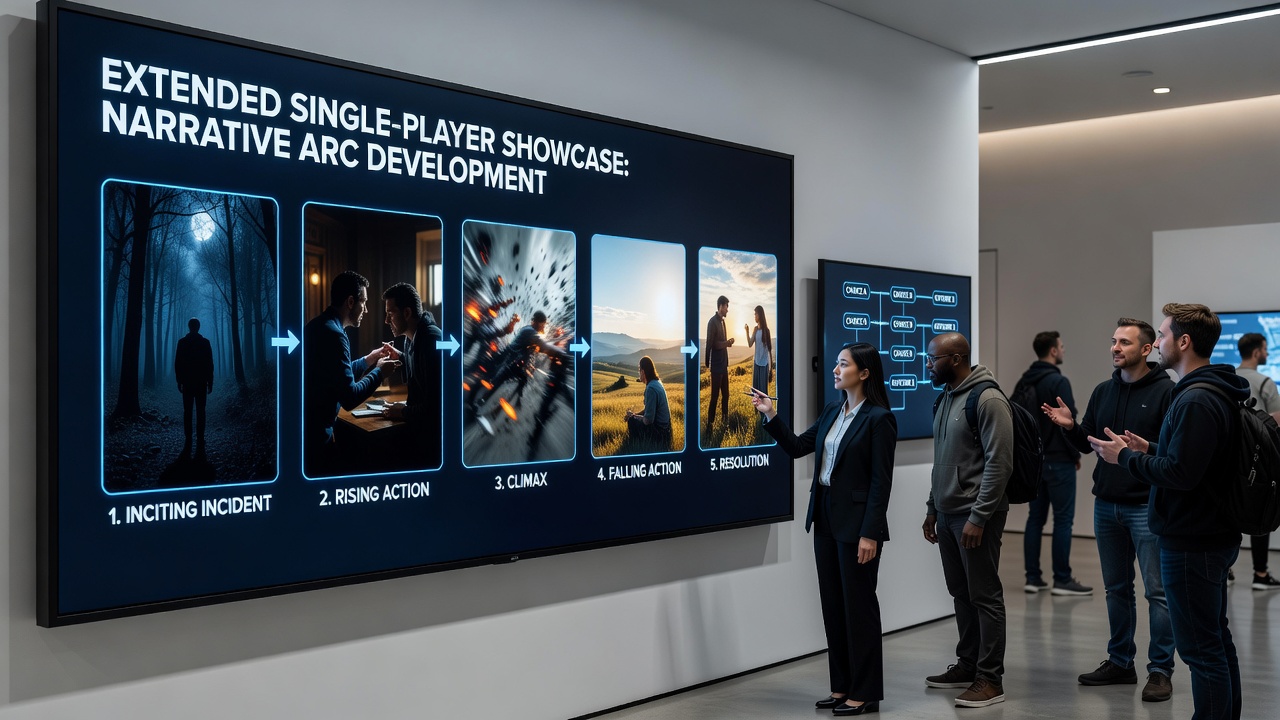
Extended single-player showcase events rely on deliberate scene sequencing to shape viewer experience across hours of continuous gameplay and organizers coordinate these transitions to mirror classic story structures that include setup, rising action, climax, and resolution while data from industry reports shows that structured pacing helps maintain attention during long sessions.
Researchers at the University of Melbourne documented how scene changes function as narrative pivots in events featuring titles like open-world adventures and narrative-driven RPGs and their findings indicate that smooth shifts between exploration, dialogue, and combat segments create emotional beats that align with audience expectations for story progression.
Core Elements of Narrative Construction
Scene transitions serve as the connective tissue in these showcases because they allow producers to control information flow without interrupting the underlying game mechanics and experts observe that a well-timed cut from a quiet village exploration scene to an intense boss encounter can replicate the effect of chapter breaks in traditional media while preserving immersion for viewers watching from home.
Organizers typically map out the entire event timeline in advance using detailed storyboards that mark key moments for transition points and this planning incorporates data on average viewer retention rates collected during previous events so that high-stakes sequences occur at intervals proven to recapture drifting attention.
Technical Execution in Live Environments
Production teams deploy multiple capture sources and switchers to execute these transitions seamlessly and they synchronize visual overlays with audio cues that signal shifts in tone such as fading ambient music into dramatic orchestral swells and figures from the Interactive Software Federation of Europe reveal that consistent technical reliability correlates with higher completion rates among remote audiences.
During a July 2026 showcase scheduled for a major European gaming festival, coordinators plan to layer environmental effects across scenes to reinforce thematic continuity and they achieve this by pre-rendering transition assets that blend the end of one gameplay segment with the start of the next without visible seams.
Case Examples from Recent Events
One documented instance involved a 12-hour marathon of an indie narrative title where the team alternated between interior character moments and expansive landscape reveals and observers noted that each transition reinforced the protagonist's emotional journey while keeping the overall arc visible to spectators who joined midway through the broadcast.
Another example comes from North American convention circuits where producers used color-graded filters during scene changes to denote time progression within the game world and this approach allowed viewers to track story developments across non-linear segments without requiring additional exposition.
Viewer Response Patterns
Analytics platforms tracking engagement during single-player showcases indicate that audiences respond positively to transitions that resolve immediate tension before introducing new complications and studies from Canadian research institutions confirm that these patterns hold across different game genres when the underlying narrative logic remains consistent.
Producers adjust transition timing based on live chat activity and performance metrics which helps them align peaks in viewer interaction with critical story moments and this adaptive method maintains momentum even when unexpected gameplay events occur.
Conclusion
Sequential scene transitions function as essential tools for shaping narrative arcs in extended single-player showcase events and their application continues to evolve alongside advances in capture technology and audience measurement and professionals in the field apply these methods systematically to deliver coherent experiences that span multiple hours of continuous content.