Decoding Platform Algorithms That Prioritize Lesser-Known Titles in Recommendation Feeds for Dedicated Gaming Audiences
Alex Hayes · May 17, 2026

Decoding Platform Algorithms That Prioritize Lesser-Known Titles in Recommendation Feeds for Dedicated Gaming Audiences
Platform recommendation systems have evolved considerably, and observers note that several major services introduced targeted adjustments around May 2026 to surface lesser-known games more effectively for dedicated players who maintain consistent engagement patterns. These changes focus on signals such as playtime duration, community interaction depth, and cross-title exploration rather than broad popularity metrics alone. Researchers at various institutions continue to analyze how these systems balance commercial priorities with discovery for niche titles that might otherwise remain buried in crowded catalogs.
Core Mechanics Behind Targeted Recommendations
Algorithms process multiple layers of user data to identify audiences likely to appreciate smaller releases. Dedicated gamers often demonstrate higher retention rates with experimental mechanics or unique art styles, and platforms leverage this pattern by weighting factors like session length and return visits more heavily than simple click-through rates. When a player completes several hours in an obscure indie title and joins related forums or shares clips, the system registers these actions as stronger indicators of genuine interest compared to casual browsing. This approach allows recommendation engines to route similar users toward titles from smaller studios that match established taste profiles without relying solely on sales volume.
What's interesting is how platforms incorporate temporal elements into their models. Recent activity spikes in specific genres or themes receive temporary boosts, yet the underlying logic still favors users who show sustained curiosity across multiple releases rather than one-off experiments. Data from industry reports indicates that such refinements emerged more prominently following algorithm audits conducted in early 2026, leading to measurable lifts in visibility for games outside the top 100 grossing lists on major storefronts.
Data Signals That Drive Prioritization
Engagement metrics extend beyond initial downloads to include completion percentages, achievement hunting behavior, and participation in user-generated content. Systems track whether players return to a title after extended breaks or experiment with different difficulty modes, treating these as markers of deeper investment. Dedicated audiences frequently exhibit these traits across varied catalogs, prompting algorithms to test lesser-known recommendations within their feeds at higher rates. Studies from academic groups have documented how incorporating community sentiment analysis from external sites further refines these predictions, helping platforms distinguish between fleeting trends and enduring niche appeal.
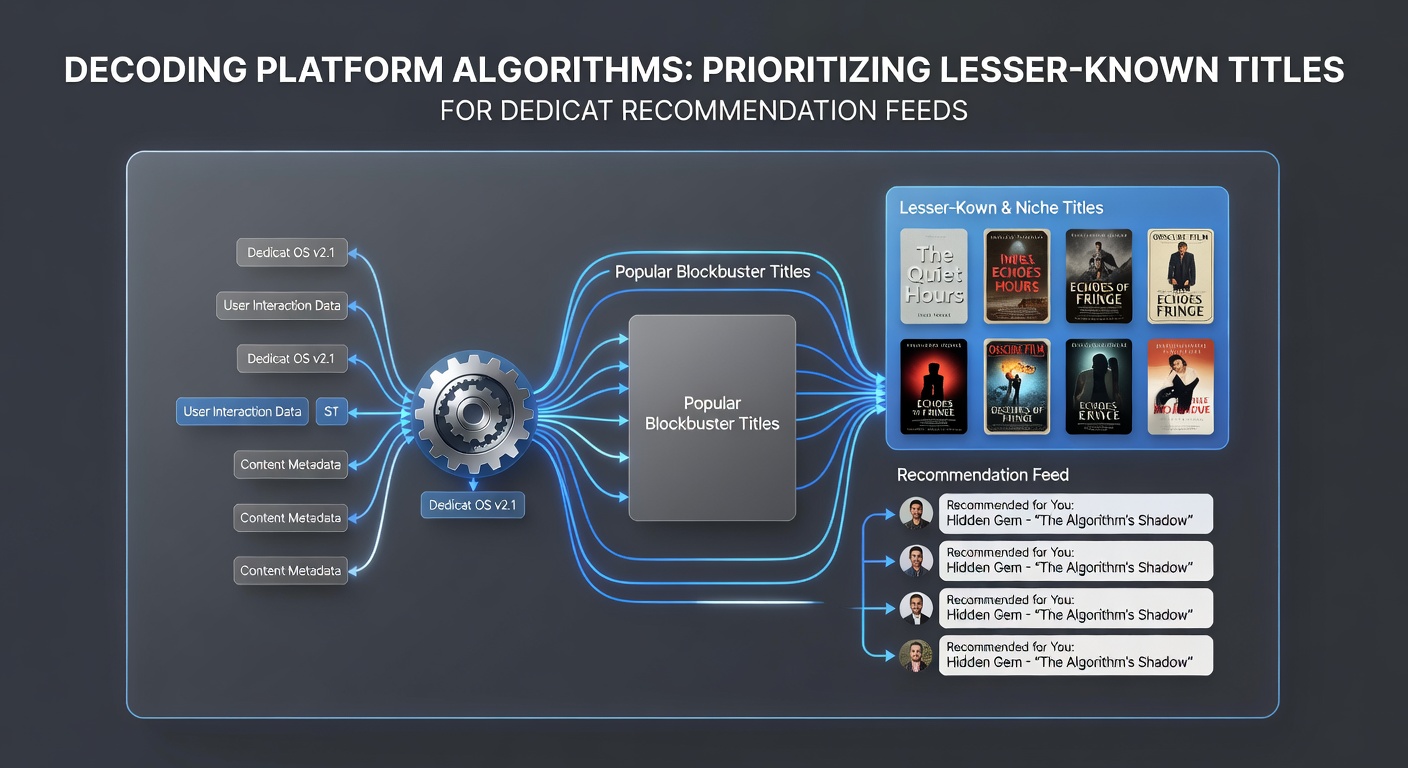
Geographic and demographic layering also plays a role. Players in regions with active local development scenes receive tailored suggestions that blend international indies with homegrown projects, while age and hardware data help filter for titles optimized for specific setups. According to findings from the Interactive Games and Entertainment Association in Australia, these layered signals contributed to a reported 18 percent increase in average playtime for recommended smaller titles among core users during the first quarter following the May 2026 updates.
Platform-Specific Implementations and Examples
Different services apply these principles with varying emphasis. Storefronts such as Steam utilize curator lists and discovery queues that reward consistent positive ratings from verified long-term players, whereas video platforms prioritize watch time and repeat views of gameplay footage from emerging creators. One case that researchers often reference involves a mid-sized studio whose title gained traction after the algorithm detected overlapping player bases between an established tactical game and a new narrative-driven release with similar mechanics. This connection surfaced through aggregated behavior rather than explicit marketing, illustrating how indirect pathways can elevate visibility.
Observers note that Twitch and similar live services have integrated recommendation adjustments that highlight streams of lesser-known games during peak dedicated viewer hours. When chat activity remains high and clip shares increase, the system amplifies exposure in related recommendation carousels. Such dynamics create feedback loops where engaged audiences help bootstrap discovery without direct developer intervention.
Effects on Dedicated Gaming Communities
Communities centered on specific mechanics or themes benefit when algorithms surface complementary titles that might not appear in mainstream promotions. Players who maintain detailed libraries and participate in modding or theory-crafting discussions see more relevant suggestions, which in turn encourages further exploration. Research indicates that these shifts have supported modest but consistent growth in player counts for titles that previously struggled with initial momentum, particularly when core audiences overlap with established franchises.
Yet the process remains iterative. Platforms continue to refine weighting after each major content update or seasonal event, adjusting for new data patterns that emerge from expanded user bases. Dedicated gamers who track their own recommendation changes often report receiving a broader mix of experimental releases alongside familiar series, reflecting the underlying goal of sustained retention over one-time conversions.
Conclusion
Platform algorithms that elevate lesser-known titles rely on nuanced combinations of behavioral data, community signals, and temporal context to connect dedicated audiences with fitting experiences. The adjustments observed around May 2026 built upon earlier refinements, producing measurable shifts in how smaller releases reach engaged players across multiple services. Ongoing analysis from research organizations and industry groups continues to shed light on these systems, revealing the intricate balance between commercial objectives and discovery opportunities within gaming ecosystems.