Examining AI Moderation Impacts on Community Standards During Extended Multiplayer Event Coverage
Ulrich Lange · Jun 23, 2026
Examining AI Moderation Impacts on Community Standards During Extended Multiplayer Event Coverage
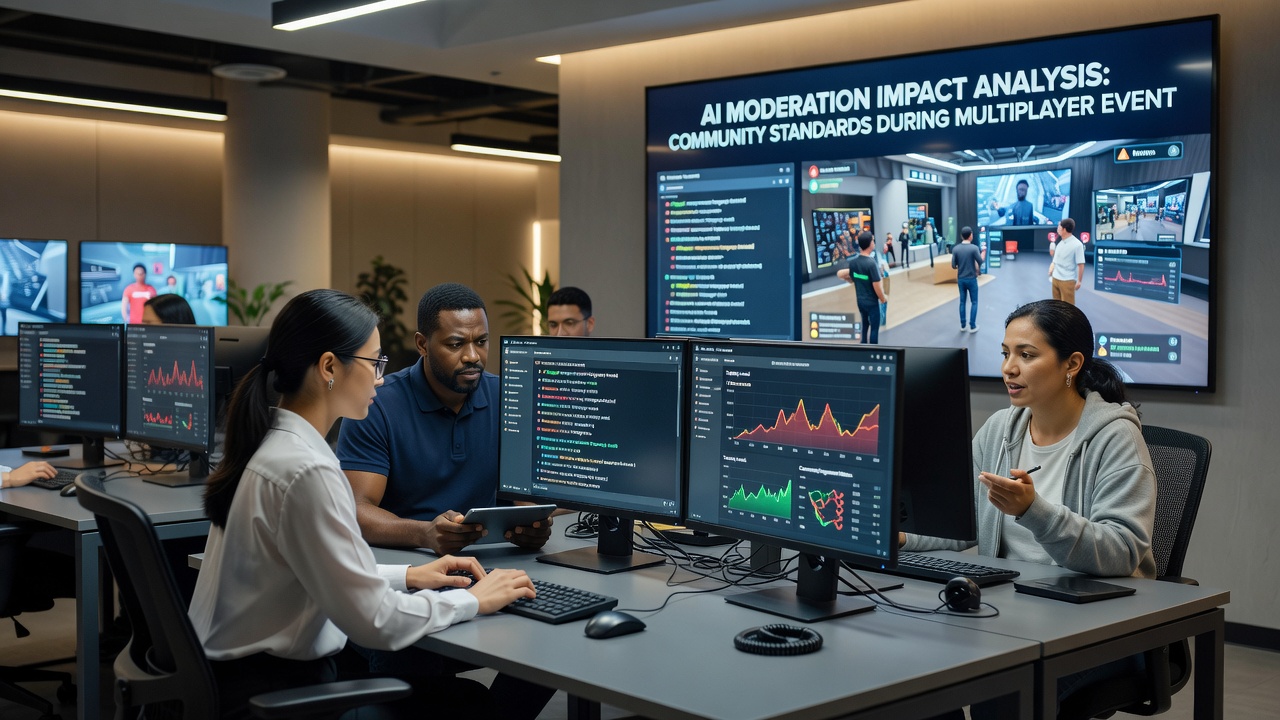
Extended multiplayer events stretch across hours and sometimes days, drawing thousands of participants into shared digital spaces where real-time interactions define the experience. AI moderation systems now handle much of the content oversight during these marathons, scanning text, voice, and visual elements to enforce platform rules. Data from major streaming services shows that automated tools process over 90 percent of moderation actions in large-scale events, which leaves human teams to review only the most complex cases. These systems rely on machine learning models trained on vast datasets of past violations, allowing them to flag spam, harassment, and off-topic messages within seconds. During June 2026 events such as the Global Esports Championship qualifiers, platforms reported handling peak chat volumes exceeding 2 million messages per hour across multiple language channels. Observers note that response times dropped from minutes to under five seconds once AI layers were activated, yet accuracy rates varied by event type and community size.How AI Systems Shape Interaction Patterns
Community standards evolve when moderation becomes consistent and immediate, because users adjust their language and behavior to avoid automated flags. Studies from the University of Melbourne indicate that prolonged exposure to strict filters leads participants to self-censor more frequently, particularly in extended sessions where fatigue sets in after eight or more hours. This shift occurs gradually as players and viewers learn which phrases trigger removals, resulting in narrower ranges of acceptable expression over time.
Voice channels present additional layers of complexity since transcription models must interpret accents, slang, and overlapping speech common in team-based competitions. Research published by the Canadian Institute for Cybersecurity found that error rates in voice moderation climbed by 18 percent during multi-day tournaments compared with shorter broadcasts. Those inaccuracies sometimes allowed disruptive content to remain visible while benign comments were removed, which altered the tone of discussions in affected communities.
Effects on Inclusivity and Participation
Automated tools can reduce certain forms of toxicity, yet they also create barriers for groups whose communication styles differ from training data. Figures from the European Commission's Digital Services Act monitoring reports reveal that non-English speakers experienced 27 percent higher false-positive rates during the 2026 summer esports circuits. Participants from regions with distinct cultural references often found their messages removed even when they aligned with stated guidelines, which discouraged repeat engagement.
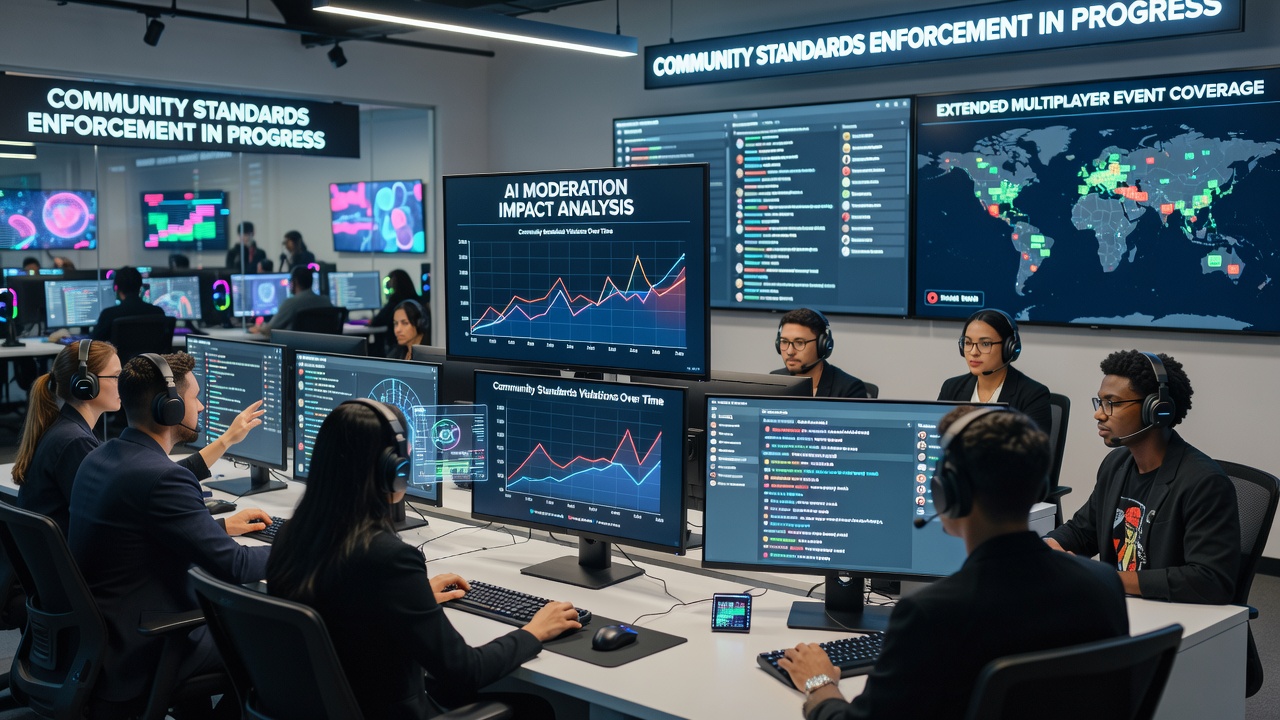
Long-duration coverage amplifies these patterns because sustained events allow feedback loops to form between users and algorithms. When a phrase gets flagged repeatedly, community members start avoiding it entirely, even if context would have made it acceptable. Platform analytics from June 2026 tournaments showed measurable declines in message diversity after the first 12 hours of continuous coverage, with emoji usage and abbreviated slang rising to fill the gap left by restricted vocabulary.
Platform Responses and Adjustments
Developers continue refining models by incorporating feedback from live events, yet the pace of change often lags behind the speed at which communities adapt. The Interactive Software Federation of Europe documented several instances where rule updates implemented mid-tournament created confusion, because AI systems required retraining that could not occur instantaneously. Viewers and players therefore navigated shifting boundaries while events remained underway.
Some organizers now pair AI with rotating human moderators who receive real-time alerts about borderline cases. This hybrid approach appears in data from the 2026 Global Esports Championship, where teams achieved a 12 percent improvement in context-aware decisions compared with fully automated periods. The combination allows standards to remain responsive without sacrificing the speed required for high-volume chats.
Long-Term Shifts in Community Norms
Over multiple events, repeated exposure to AI moderation correlates with measurable changes in how groups define acceptable conduct. Academic papers from the National University of Singapore track longitudinal data showing that communities exposed to heavy automation develop internal guidelines that mirror platform rules more closely than before. New members learn these unwritten expectations faster because violations receive immediate consequences rather than delayed human review.
Yet the same consistency can reduce spontaneous expression during extended sessions when participants grow cautious. Reports indicate that off-topic humor and niche references declined in volume after several consecutive days of coverage, replaced by safer, more generic exchanges. These patterns emerge most clearly in events that run past 48 hours, when cumulative effects become statistically significant.
Conclusion
AI moderation now forms a core component of managing community standards throughout lengthy multiplayer coverage, with documented impacts on response speed, expression range, and participation equity. Continued refinement through hybrid oversight models offers one pathway toward balancing efficiency and context, while ongoing data collection from events like those in June 2026 provides clearer insight into how standards evolve under sustained automation. Platforms and organizers track these developments closely because the choices made during extended sessions shape the character of communities long after individual tournaments conclude.