Implementing Accessibility Features in Competitive Gaming Broadcasts
Alex Hayes · Jun 2, 2026
Implementing Accessibility Features in Competitive Gaming Broadcasts
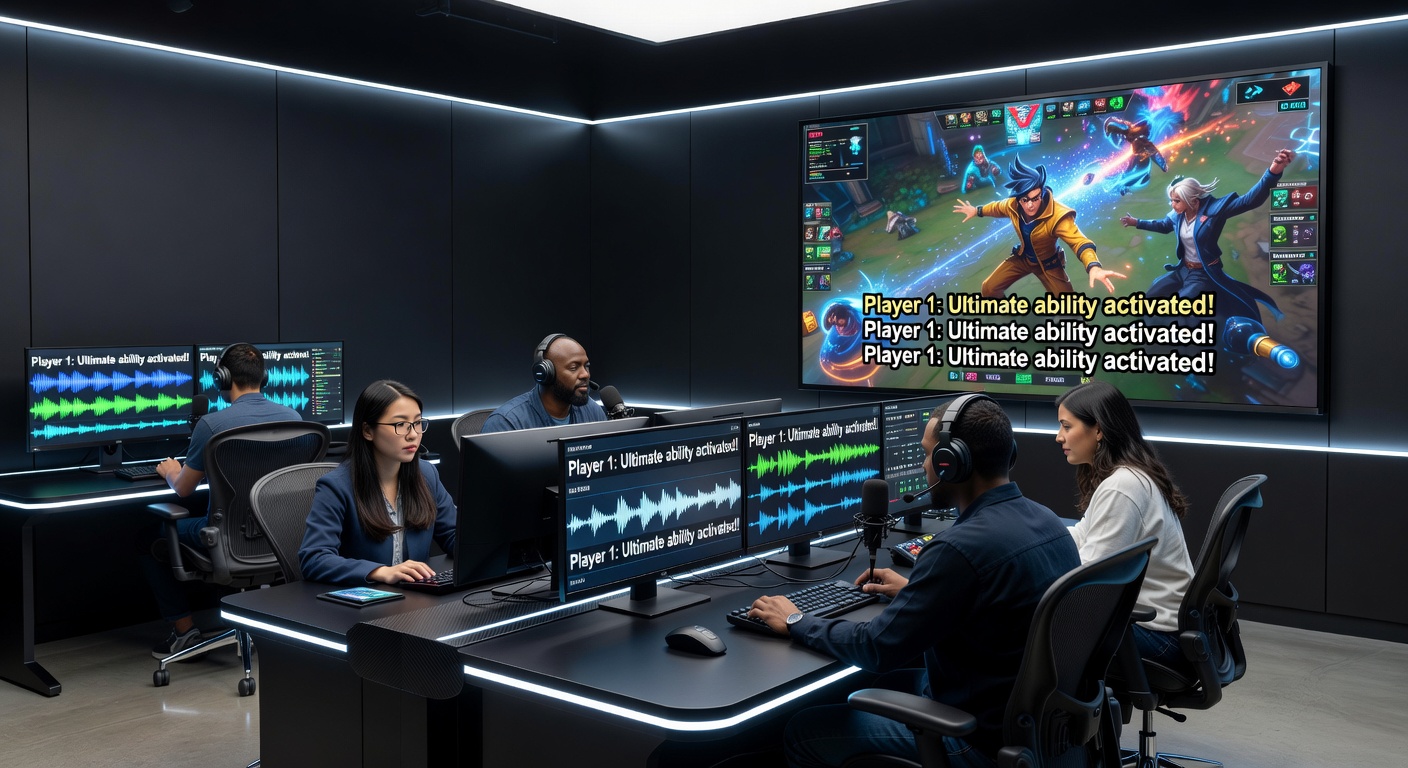
Competitive gaming transmissions reach millions of viewers worldwide each year yet many audiences encounter barriers when audio or visual elements remain inaccessible. Dynamic captioning converts spoken commentary and in-game audio cues into real-time text overlays while audio description tracks deliver narrated explanations of on-screen action during natural pauses in gameplay. Broadcasters integrate these tools to expand reach toward deaf, hard-of-hearing, blind, and low-vision communities without altering core production workflows.
Core Components of Dynamic Captioning Systems
Dynamic captioning relies on automated speech recognition engines that process multiple audio channels simultaneously from commentators, crowd noise, and game sound effects. These systems apply contextual dictionaries built from esports terminology so names like player handles and ability titles render accurately. Synchronization occurs through timestamp alignment that matches text appearance to spoken delivery within fractions of a second.
Research indicates major platforms tested hybrid models in 2025 that combine machine-generated captions with human editors who correct errors during high-stakes matches. This approach reduced caption latency to under two seconds in controlled trials conducted across North American tournaments. Observers note that caption placement options now include customizable positions along screen edges or semi-transparent boxes that avoid blocking critical gameplay areas.
Audio Description Integration Methods
Audio description tracks function as secondary audio streams that describe visual information such as character positions, map changes, and UI notifications. Production teams record these tracks in advance for pre-scripted segments while live describers use dedicated mixing consoles to insert narration between commentator lines. The European Accessibility Act requires public broadcasters to provide such tracks for certain live events by 2026 and several esports organizers aligned their pipelines ahead of that deadline.
Engineers route description audio through separate channels so viewers can toggle it independently via player settings. Data from platform analytics shows that sessions offering toggleable description tracks retained viewers who previously dropped off within the first ten minutes of matches. Technicians calibrate volume levels to prevent overlap with primary commentary yet maintain clarity when background music or crowd sounds rise during key moments.
Technical Implementation in Live Production
Teams embed caption and description features into existing encoding workflows using open standards such as WebVTT for text tracks and MPEG-DASH for adaptive audio streams. Software plugins connect OBS or similar capture applications to cloud-based accessibility services that handle real-time processing. Bandwidth requirements increase modestly because description tracks use compressed audio at lower bitrates than main commentary feeds.
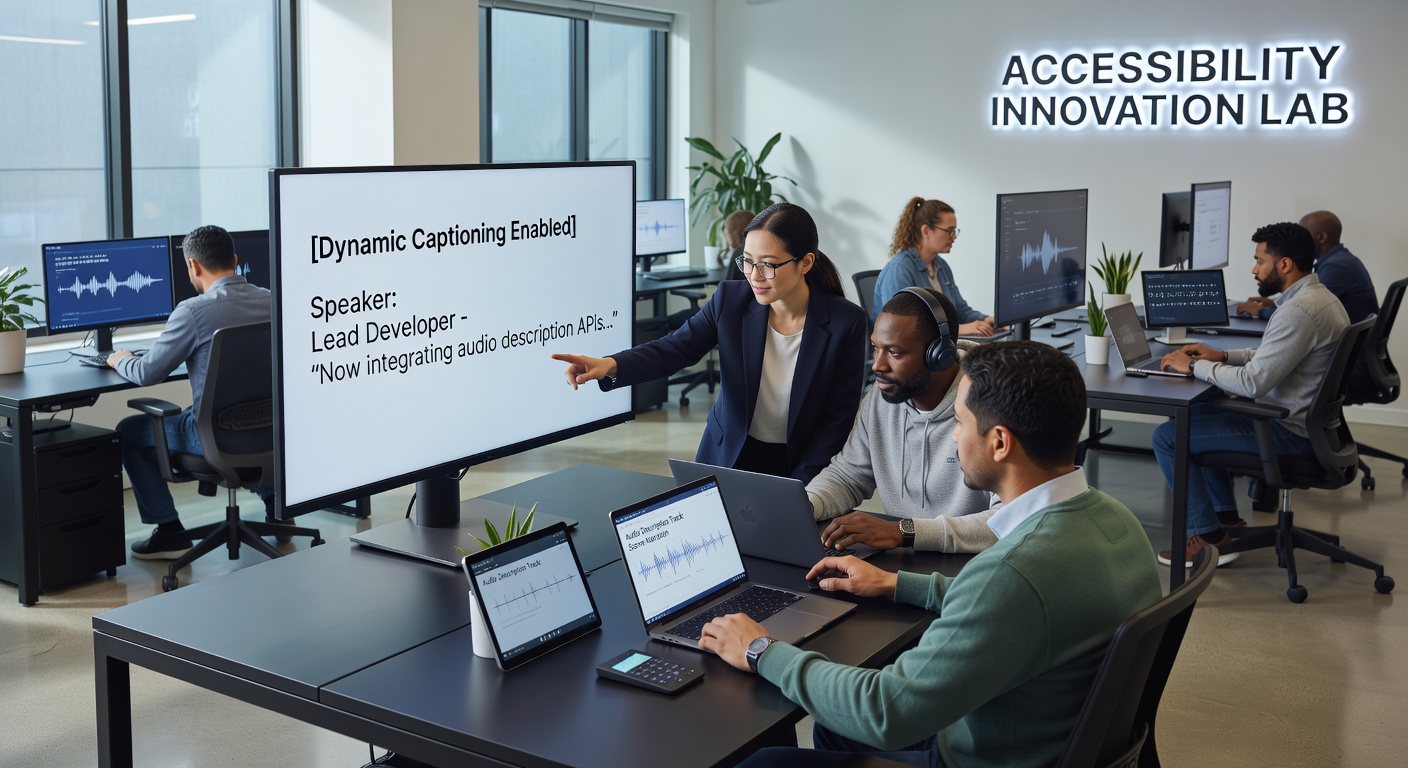
June 2026 marked expanded testing of unified accessibility dashboards that allow directors to monitor caption accuracy scores and description timing metrics alongside traditional production statistics. These dashboards flag potential issues such as caption overflow during rapid exchanges between casters. Integration with multi-language support emerged simultaneously so regional tournaments could deliver captions in local languages while maintaining a single description track in English.
Audience Reach and Inclusion Data
According to figures published by the Federal Communications Commission, live streams that incorporated dynamic captioning saw measurable growth in concurrent viewers identifying as deaf or hard of hearing. Similar patterns appeared in European markets after organizers adopted standards from the Web Accessibility Initiative. Academic studies conducted at Canadian universities tracked session completion rates and found inclusive features correlated with longer average watch times across diverse viewer groups.
Platform operators report that accessibility toggles appear in settings menus without requiring separate downloads. Viewers activate these options once and preferences persist across devices. This design reduces friction for audiences who return to weekly tournaments and supports broader community participation in chat and social extensions tied to the broadcast.
Conclusion
Implementation of dynamic captioning and audio description tracks continues to evolve through collaboration between game publishers, broadcast engineers, and accessibility specialists. Standards bodies refine synchronization protocols while tournament organizers collect usage metrics that guide future refinements. These features now form part of standard production checklists for many competitive circuits and enable transmissions to serve wider audiences without compromising the pace or excitement of live esports events.