Integrating wearable fitness trackers into endurance play sessions for displaying real-time biometric shifts during prolonged competitive online events
Iris Long · Jun 28, 2026
Integrating wearable fitness trackers into endurance play sessions for displaying real-time biometric shifts during prolonged competitive online events
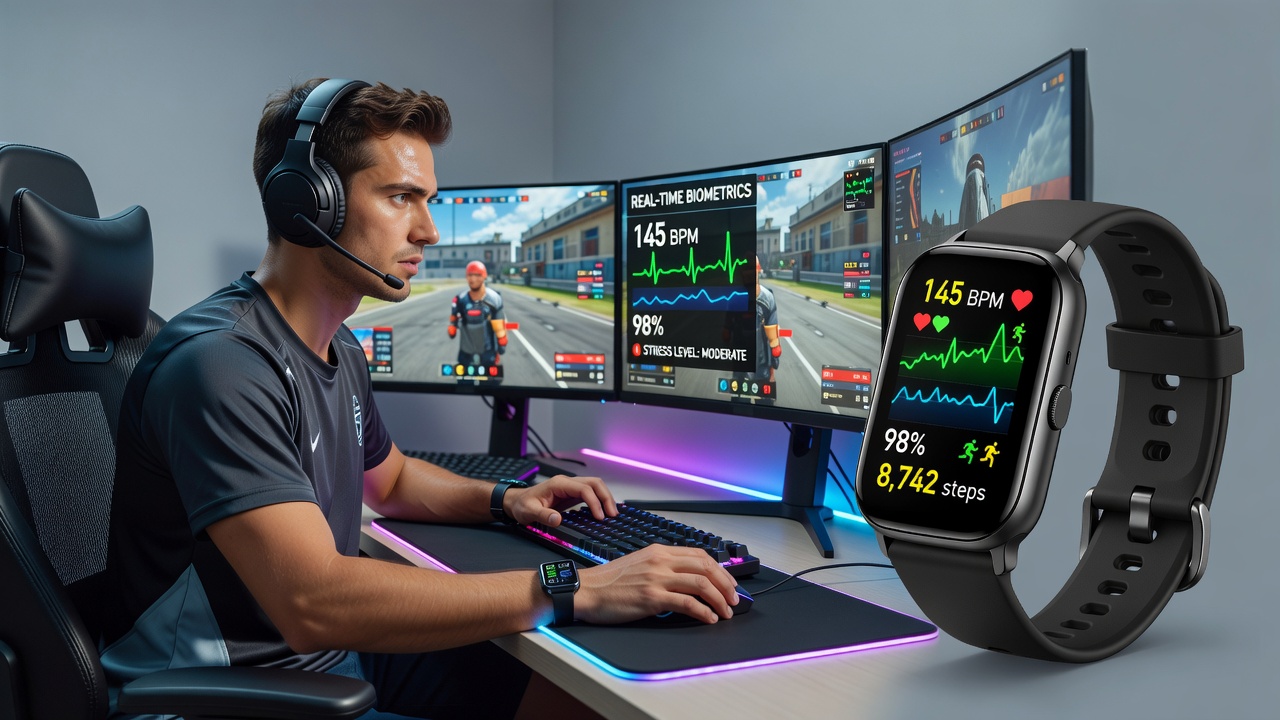
Competitive online events often extend across multiple hours or even days, which places sustained physical demands on participants who maintain focus through extended play sessions, and wearable fitness trackers have emerged as tools that capture biometric data such as heart rate variability, oxygen saturation levels, and skin temperature changes in real time. These devices connect via Bluetooth or proprietary wireless protocols to companion applications that process incoming signals, then relay processed metrics to external displays or dashboards visible to players, coaches, or support staff during active competition.
Core Biometric Metrics Captured by Modern Trackers
Devices from manufacturers including Garmin, Polar, and Whoop record continuous heart rate through optical sensors positioned against the wrist or chest, while additional sensors track electrodermal activity to indicate stress responses and accelerometer data to estimate movement patterns that might signal fatigue onset. Researchers at institutions such as the University of Queensland have documented how these combined readings reveal shifts in autonomic nervous system balance, with elevated resting heart rates often correlating to prolonged cognitive load in controlled testing environments. Data from such studies indicate that oxygen saturation dips below 95 percent can appear during high-intensity focus periods, prompting support teams to suggest brief hydration or posture adjustments without interrupting gameplay flow.
Integration Methods for Real-Time Display
Software bridges link tracker outputs to custom interfaces that overlay biometric graphs onto secondary monitors or team communication platforms, allowing observers to monitor trends without requiring players to glance away from primary screens. In practice, application programming interfaces pull live feeds from tracker clouds or local Bluetooth connections, then format the information into color-coded alerts that highlight deviations from individual baselines established during pre-event calibration periods. One documented implementation during a June 2026 regional esports qualifier used these overlays to flag heart rate spikes exceeding 140 beats per minute, enabling coaches to recommend micro-breaks that aligned with natural game pauses rather than forced interruptions.
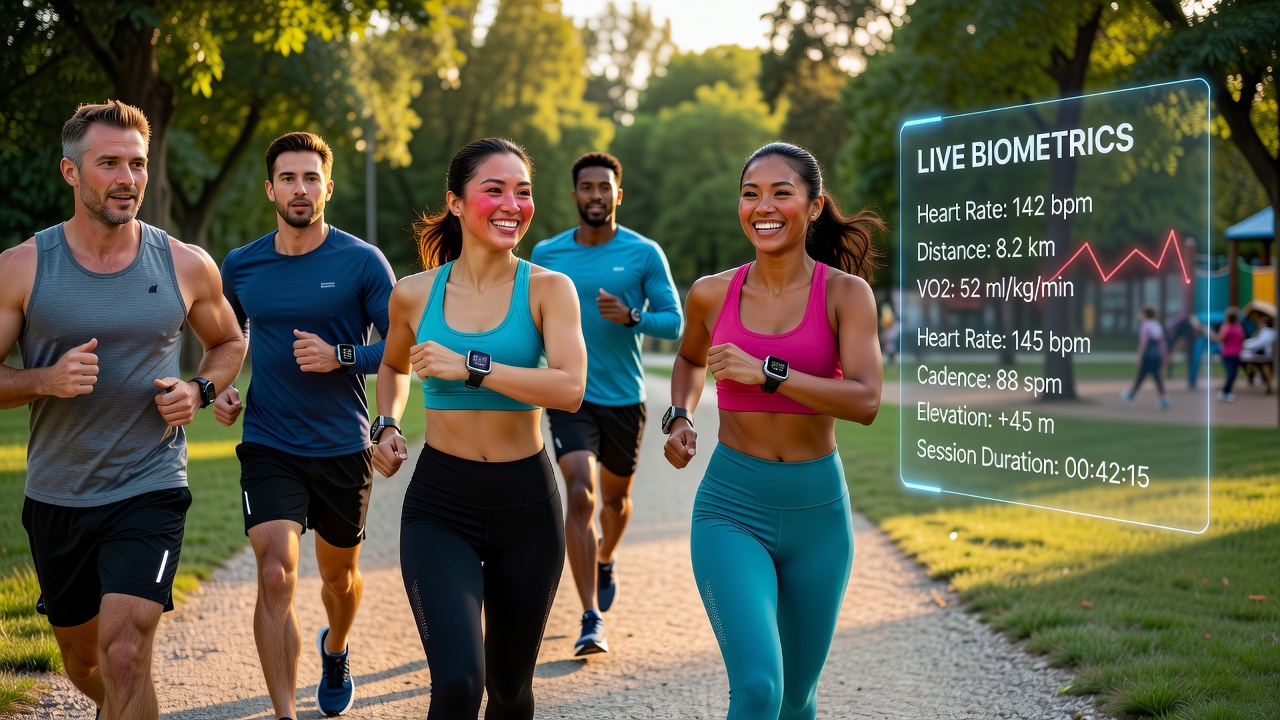
Hardware options range from wrist-worn units with multi-day battery life to chest-strap models that deliver higher sampling rates for precise variability analysis, and both categories support export of timestamped logs that teams review post-session to refine training regimens. Observers note that integration success depends on minimizing latency between sensor detection and display update, which current firmware versions achieve through optimized data compression algorithms running on dedicated companion apps.
Applications in Prolonged Tournament Settings
During extended brackets that span twelve or more hours, biometric monitoring helps identify cumulative fatigue patterns that standard performance metrics such as win rates or reaction times may overlook until errors accumulate. Studies conducted by the Australian Institute of Sport have shown correlations between declining heart rate variability and increased error frequency in precision-based tasks, findings that support teams apply when scheduling rotation strategies among roster members. In one case, analysts reviewing June 2026 tournament logs observed that participants wearing trackers maintained steadier oxygen saturation levels after implementing scheduled micro-movements prompted by real-time alerts, compared with control groups relying solely on subjective self-assessment.
Coaching staffs further use aggregated anonymized data to adjust environmental factors including lighting intensity and ambient temperature, since these variables influence skin temperature readings that trackers capture alongside cardiovascular metrics. Such adjustments occur between matches, preserving competitive integrity while addressing physiological factors identified through continuous monitoring.
Technical Considerations and Data Accuracy
Accuracy of optical heart rate sensors can vary with skin tone, motion artifacts from rapid keystroke or mouse movements, and device fit, which is why manufacturers recommend validation against medical-grade chest straps during initial setup phases. Research published through the National Institutes of Health emphasizes the value of multi-sensor fusion, where tracker algorithms cross-reference photoplethysmography signals with accelerometer data to filter out transient noise and produce more reliable trend lines over multi-hour sessions. Those who have implemented these systems report that establishing personalized baselines during low-stakes practice matches improves alert relevance, reducing false positives that might otherwise distract support personnel.
Future Developments Observed in Mid-2026
By June 2026, several tournament organizers began piloting standardized biometric integration protocols that require participant consent and anonymized data sharing for league-wide fatigue research, building on earlier voluntary programs. These efforts draw from frameworks developed by health authorities in Canada and the European Union that outline ethical guidelines for wearable data use in high-performance environments, ensuring privacy protections remain in place while enabling broader pattern analysis across player populations. Device makers continue refining algorithms that predict impending performance decline by combining biometric trends with historical session data, though widespread adoption still requires further validation across diverse game genres and participant demographics.
Conclusion
Integration of wearable fitness trackers into endurance-focused competitive events supplies objective biometric feedback that complements traditional performance indicators, allowing teams to respond to physiological shifts as they unfold across extended online sessions. Continued refinement of sensor accuracy, display interfaces, and ethical data protocols supports broader implementation while maintaining focus on player welfare and event integrity.