Leveraging Cross-Platform Analytics Dashboards to Forecast Viewer Drop-Off Patterns in Niche Esports Communities
Morgan Neumann · May 22, 2026
Leveraging Cross-Platform Analytics Dashboards to Forecast Viewer Drop-Off Patterns in Niche Esports Communities
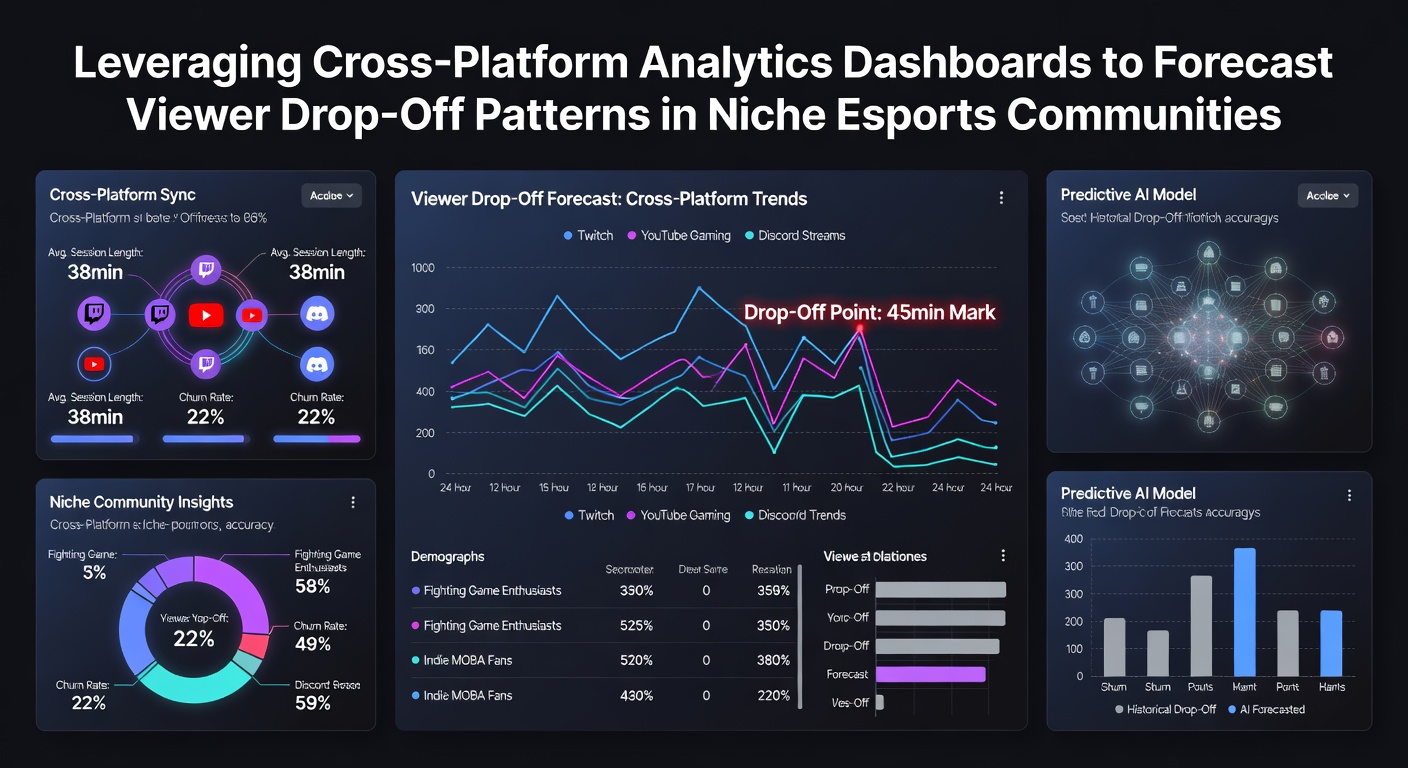
Cross-platform analytics dashboards have become essential tools for organizers and community managers who track viewer behavior in smaller esports scenes, where communities often center around specific titles like fighting games or indie MOBAs rather than mainstream releases. These dashboards pull data from Twitch, YouTube, Discord, and social platforms to reveal patterns in how audiences enter and exit streams, allowing teams to adjust content timing and engagement tactics before significant drop-offs occur. Researchers note that niche esports audiences frequently switch between multiple viewing channels throughout a single event, which creates fragmented data sets that single-platform tools struggle to unify.
Mapping Viewer Journeys Across Platforms
Analysts combine watch-time logs from live streams with chat activity on Discord and short-form clips shared on TikTok or X to build complete audience paths, and this integration shows where viewers typically lose interest during long tournament sets. Data indicates that drop-offs spike during technical delays or when matches extend beyond expected durations, yet cross-platform views also capture secondary engagement such as users who leave the stream but continue discussing plays in community channels. Observers have recorded these shifts in real time during events held throughout early 2026, including regional qualifiers that drew dedicated but modest audiences.
Forecasting Techniques Using Unified Metrics
Predictive models within modern dashboards apply time-series analysis and clustering algorithms to historical engagement numbers, forecasting potential viewer exits up to thirty minutes in advance based on declining concurrent chat rates and reduced clip shares. These models weigh factors such as match length, commentator energy levels, and even external events like overlapping major league matches that pull attention elsewhere. Figures reveal that communities focused on games with smaller global audiences benefit most because their viewers often maintain loyalty across platforms when alerts arrive through integrated notifications.
One study conducted by academic researchers at a European university examined six months of data from European indie fighting game tournaments and found that unified dashboards reduced unexpected viewership losses by identifying fatigue points during extended bracket stages. Teams then introduced mid-set interviews or viewer polls that kept participation steady without interrupting gameplay flow.
Implementation in Smaller Esports Scenes
Community managers in niche circuits set up dashboards by connecting APIs from streaming services and social tools, then apply custom filters that highlight retention curves for specific demographic segments such as regional players or longtime supporters. In May 2026 several organizers reported adopting updated dashboard versions that added real-time sentiment analysis from chat logs, allowing faster responses when negative reactions began correlating with audience exits. This approach proved especially useful during back-to-back tournament days when cumulative viewer fatigue became measurable across multiple platforms.
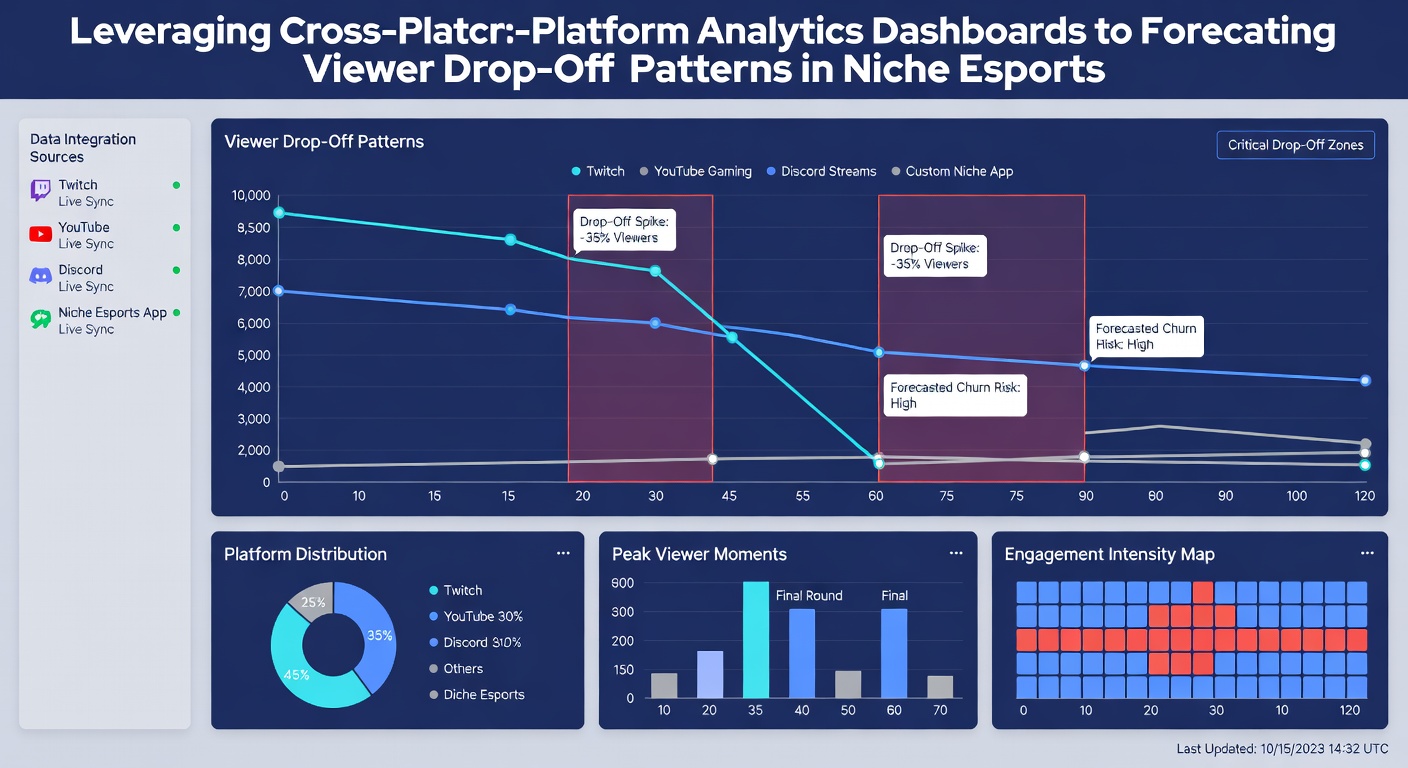
Practical applications include scheduling shorter analysis segments after high-intensity matches and rotating guest commentators to refresh audience interest before predicted drop-off windows arrive. Industry reports from organizations tracking global gaming trends confirm that such adjustments maintain higher average view durations when applied consistently across an event series.
Challenges and Data Considerations
Privacy regulations in various regions require careful handling of viewer data, so dashboard operators anonymize identifiers while preserving behavioral patterns needed for accurate forecasts. Integration across platforms sometimes encounters API rate limits or format differences that delay updates, yet teams mitigate these issues through scheduled data pulls and backup manual reviews. Those who manage niche esports communities often note that smaller sample sizes demand more cautious interpretation of predictive outputs to avoid over-adjusting based on limited events.
Conclusion
Cross-platform analytics dashboards continue to provide measurable advantages for forecasting viewer drop-off in niche esports by unifying fragmented data sources and applying targeted predictive models. As platforms evolve their reporting features and communities adopt refined tools, organizers gain clearer visibility into audience behavior that supports sustained engagement throughout events. Continued refinement of these systems promises further precision in timing interventions that keep dedicated viewers connected across the full duration of competitive sessions.