Navigating the Challenges of Synchronizing Multiple Camera Feeds During Intense Multiplayer Tournament Coverage
Morgan Neumann · May 29, 2026
Navigating the Challenges of Synchronizing Multiple Camera Feeds During Intense Multiplayer Tournament Coverage
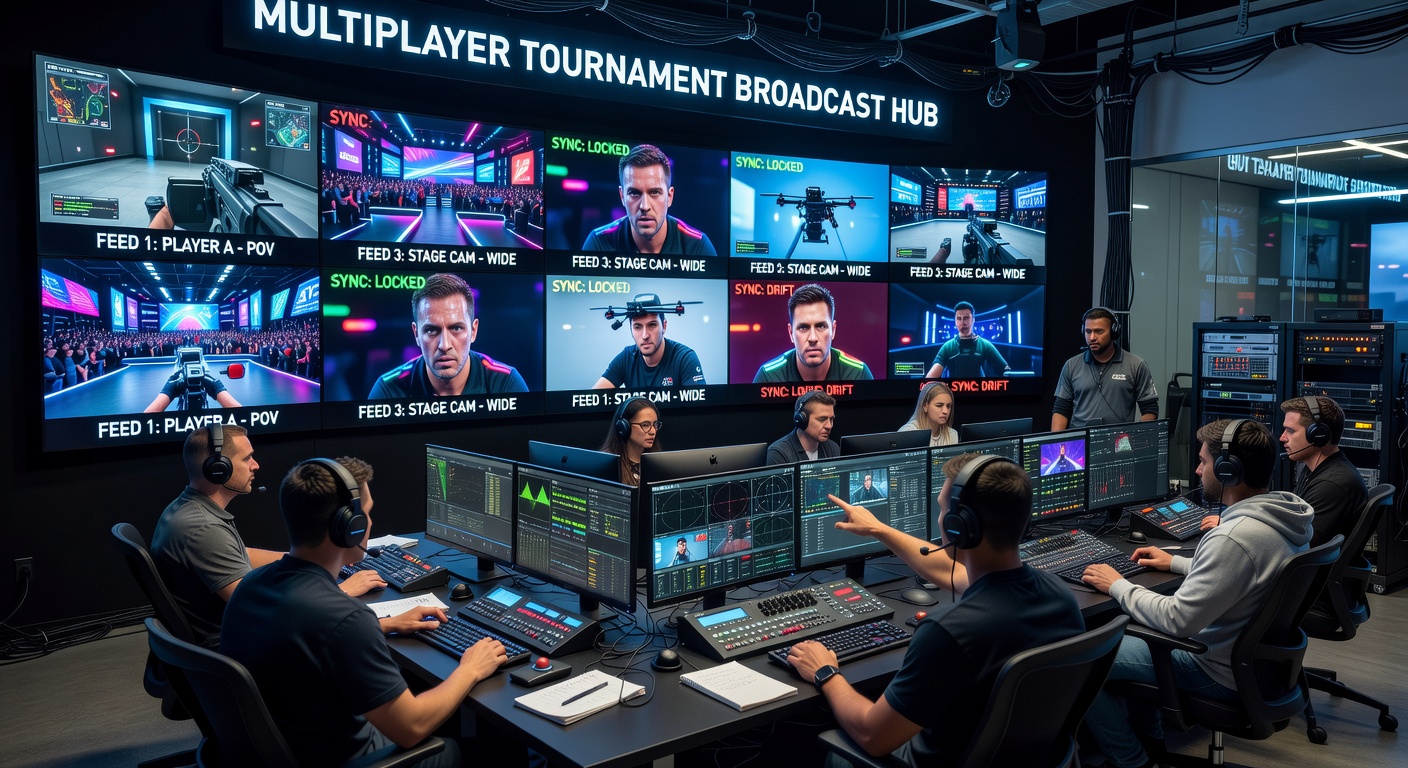
Multiplayer tournaments demand precise coordination across numerous camera feeds because even slight timing offsets can disrupt viewer comprehension during fast-paced action sequences and team strategies unfold simultaneously on separate screens. Observers note that production crews handle inputs from player perspectives, arena overheads, and commentator booths while maintaining frame-accurate alignment that preserves the competitive flow for remote audiences.
Core Technical Barriers in Feed Alignment
Network latency variations arise when cameras connect through different routers and switches, and these inconsistencies compound when dozens of devices stream high-resolution video across shared infrastructure at events. Data shows that temperature fluctuations and hardware clock drift further separate timecodes over extended matches, which forces technicians to apply continuous corrections without interrupting the broadcast signal.
Researchers at academic institutions have documented how packet loss in one feed creates cascading desync issues across the entire production pipeline because downstream mixers rely on consistent timestamps to composite scenes. In May 2026 several major circuits plan upgrades to precision time protocol systems that reduce drift to sub-millisecond levels, yet legacy equipment still requires manual recalibration during setup phases.
Practical Synchronization Methods Employed by Production Teams
Technicians deploy dedicated timecode generators that distribute reference signals to every capture device before matches begin, and this hardware approach integrates with software overlays that flag misalignments in real time. Production staff monitor waveform displays and adjust offsets through centralized control interfaces while the event runs, allowing corrections without visible interruptions to viewers.
Case studies from regional esports organizers reveal that combining network time protocol with dedicated fiber links between camera positions and the control room yields measurable improvements in frame lock stability during high-intensity periods. One production group that tested hybrid wireless and wired setups during qualifiers found that redundant paths maintained sync even when primary connections experienced brief congestion.
Impact on Viewer Experience and Broadcast Quality
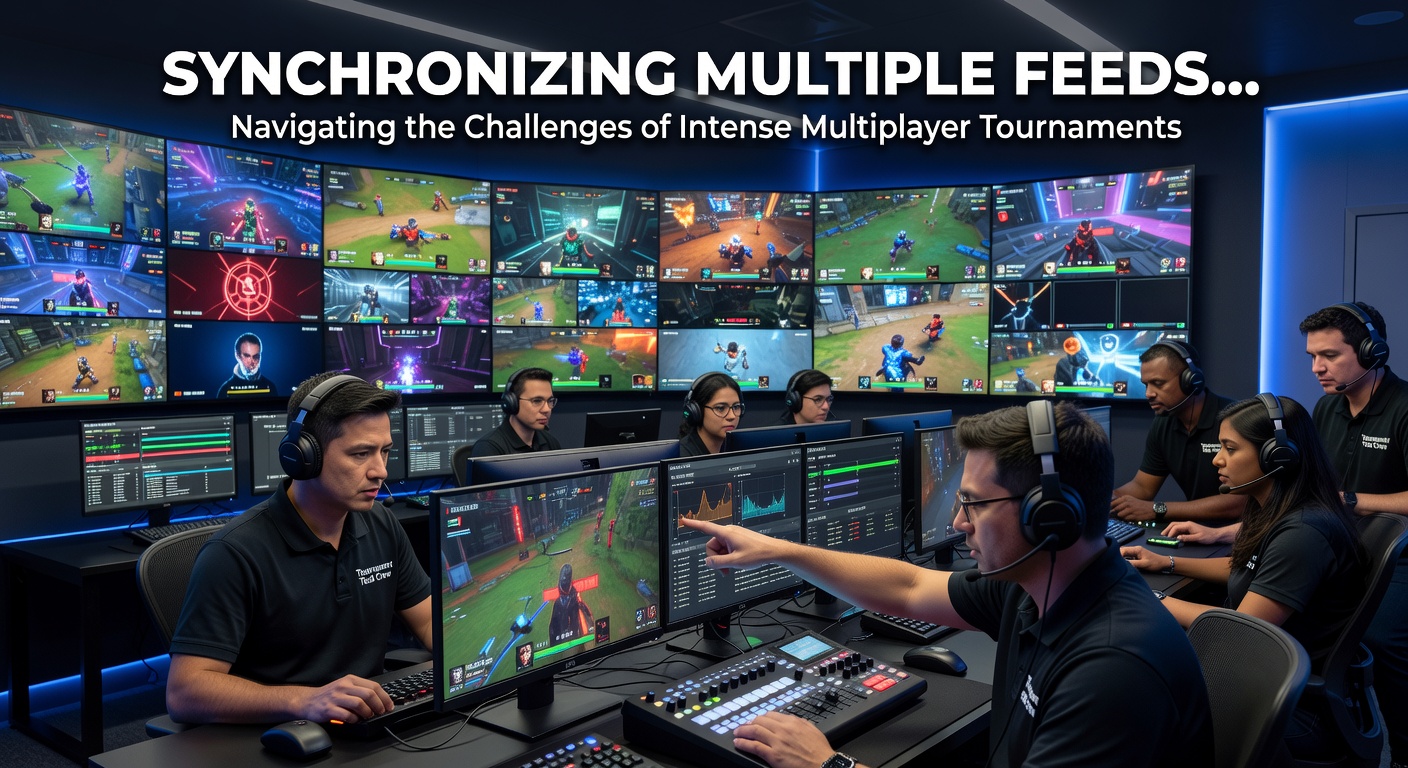
Viewers encounter fragmented storytelling when feeds fall out of sync because simultaneous events on different player screens lose their temporal relationship, which reduces the ability to follow coordinated team plays. Industry reports indicate that synchronized multi-angle coverage correlates with longer average watch times across tournament streams, as audiences remain engaged when transitions between perspectives feel seamless.
Audio alignment follows the same timing requirements because mismatched sound from player mics and arena microphones creates disorienting effects that compound visual offsets. According to findings from European broadcasting standards groups, integrated audio-video timestamping protocols now form part of recommended workflows for large-scale competitive events.
Emerging Tools and Infrastructure Developments
Software platforms continue to incorporate automated drift detection that suggests corrective actions based on historical match data, and hardware manufacturers release capture solutions with built-in PTP support for direct integration into existing networks. In May 2026 several tournament organizers will trial cloud-assisted synchronization layers that offload processing from on-site servers, freeing resources for additional camera angles without added latency.
Training programs for technical crews now emphasize cross-checking procedures that verify sync across all feeds during pre-event rehearsals, which reduces live corrections and keeps focus on creative shot selection. Government communications agencies in multiple regions have begun publishing guidelines that encourage standardized timestamp formats to ease interoperability between different equipment vendors.
Conclusion
Effective management of multiple camera feeds in multiplayer tournaments rests on coordinated hardware timing, real-time monitoring, and ongoing adaptation to evolving network conditions. Production teams that apply these layered approaches deliver coherent coverage that supports both competitive analysis and spectator immersion while meeting the technical demands of large-scale events. Continued refinement of synchronization protocols will shape how future tournaments present simultaneous action across expanding numbers of angles and perspectives.