Patronage Pathways: Structuring Exclusive Content Tiers to Foster Long-Term Supporter Relationships in Gaming Broadcasts
Alex Hayes · May 19, 2026
Patronage Pathways: Structuring Exclusive Content Tiers to Foster Long-Term Supporter Relationships in Gaming Broadcasts
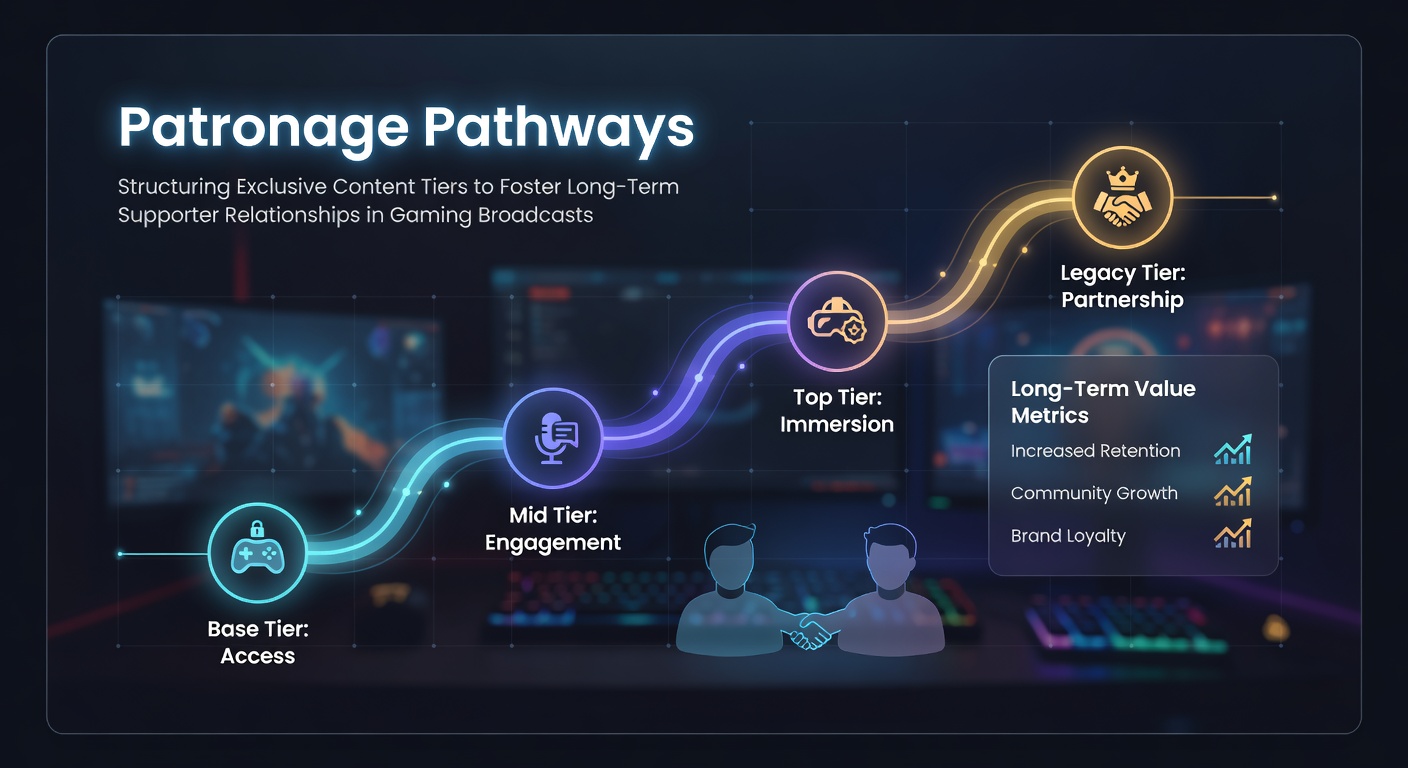
Patronage pathways in gaming broadcasts rely on carefully layered content tiers that give supporters access to materials unavailable in standard streams, and this structure helps build sustained connections between creators and their audiences. Broadcasters organize these tiers around progressive levels of commitment where each step unlocks additional perks such as private Discord channels, custom emote packs, or early access to game footage. Data from industry reports shows that creators who maintain consistent tier offerings see measurable increases in recurring monthly contributions over time.
Observers note that successful pathways begin with a clear mapping of supporter motivations, because audiences respond differently to behind-the-scenes footage than they do to competitive coaching sessions. Research indicates that tier names and pricing points perform better when they align with community language already circulating in chat and forums. One study conducted across North American streaming platforms revealed that creators who adjusted their first tier to match average viewer spending habits retained 18 percent more patrons after six months compared with those who used arbitrary price points.
Mapping Tier Structures to Audience Expectations
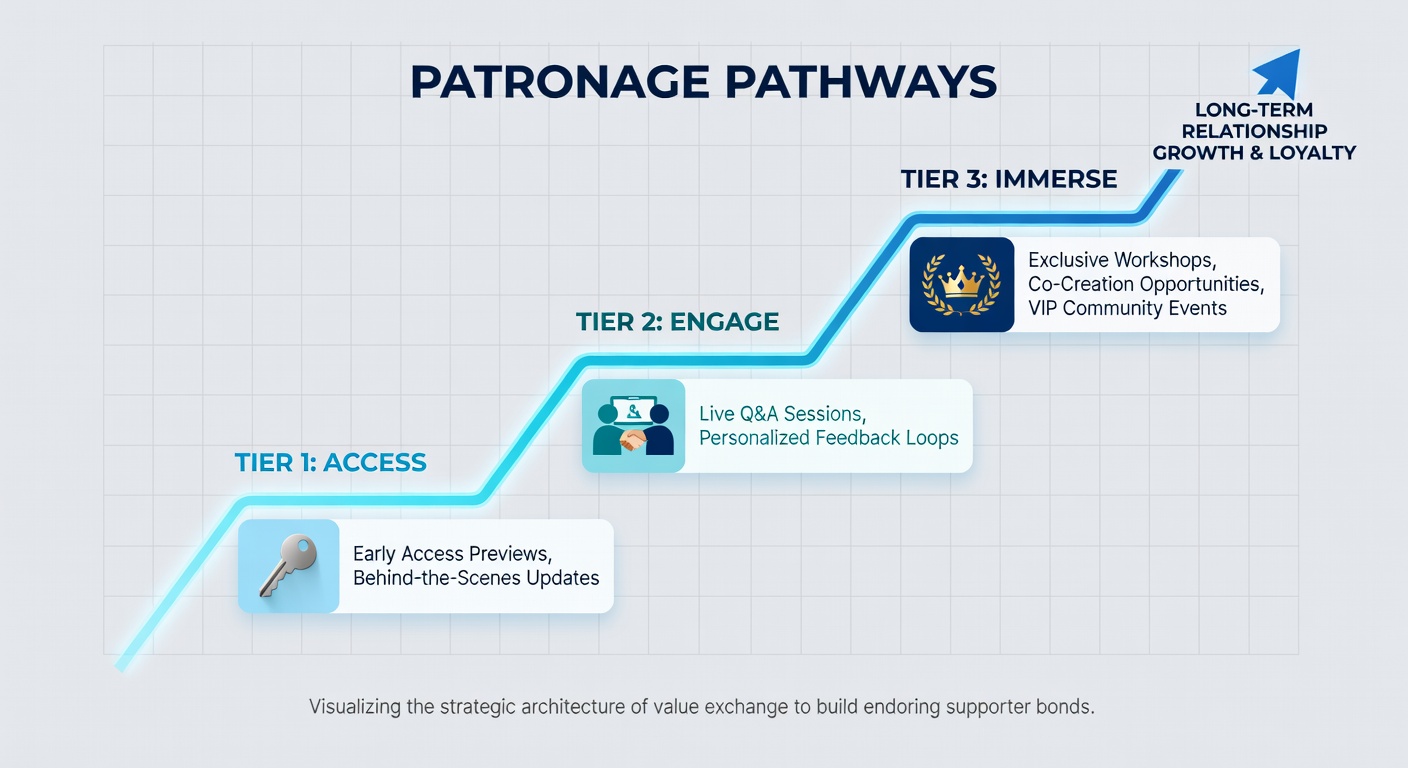
Effective tier design incorporates both tangible and intangible rewards, so supporters receive immediate value while also gaining status within the community. Lower tiers commonly provide cosmetic items like animated badges or monthly highlight reels, whereas mid-level options add private voice sessions or input on upcoming stream schedules. Higher tiers frequently include direct collaboration opportunities such as co-streaming segments or custom in-game shout-outs that appear during live events.
Those who have analyzed retention metrics across multiple platforms point out that transparency about what each tier delivers reduces churn, because patrons understand exactly when and how they will receive promised content. Creators often publish a public roadmap that outlines upcoming tier additions, and this practice has become standard among broadcasters who average more than 500 concurrent viewers. Figures from the Entertainment Software Association demonstrate that gaming audiences aged 18 to 34 respond particularly well to tier benefits tied to upcoming game releases rather than generic rewards.
Integrating Platform Tools and Automation
Modern patronage systems connect directly with streaming software so that tier verification happens automatically during live sessions. Broadcasters use role-syncing features to grant chat privileges or overlay elements based on active subscription status, which eliminates manual moderation work. As of May 2026 several platforms introduced updated APIs that allow real-time tier updates to appear inside overlays without requiring additional extensions.
Experts have observed that automation also extends to scheduled content drops where exclusive videos or asset packs reach higher-tier supporters through integrated email or messaging services. This approach keeps engagement consistent even when the creator takes scheduled breaks from daily broadcasts. One documented case involved a mid-sized esports channel that linked its patronage tiers to a calendar system, resulting in a 22 percent rise in long-term retention after the automation launched.
Measuring Relationship Outcomes Over Time
Long-term supporter relationships become visible through patterns such as increased chat participation, higher clip creation rates, and word-of-mouth referrals to new viewers. Analytics dashboards track these signals alongside direct revenue, giving creators concrete indicators of pathway effectiveness. Research from academic groups in Canada has linked consistent tier communication to stronger parasocial bonds that persist even when broadcast frequency decreases temporarily.
Yet the data also shows that benefits must evolve to prevent stagnation, because audiences quickly adopt new features on competing platforms. Creators who refresh at least one tier benefit every quarter maintain higher satisfaction scores according to aggregated platform surveys. Those who have studied European gaming communities report similar patterns where seasonal updates tied to major tournaments produce the strongest spikes in renewed patronage.
Conclusion
Patronage pathways succeed when creators treat tier structures as living systems that respond to audience feedback and platform changes. The combination of clear reward mapping, automated delivery, and periodic refreshes creates conditions where supporters remain engaged across multiple years rather than single campaign cycles. Broadcasters who apply these methods continue to demonstrate that structured exclusivity translates into durable community foundations within the gaming broadcast space.