Sculpting Custom Input Macros for Audience Challenges in Live Competitive Gaming
Ulrich Lange · Jul 26, 2026
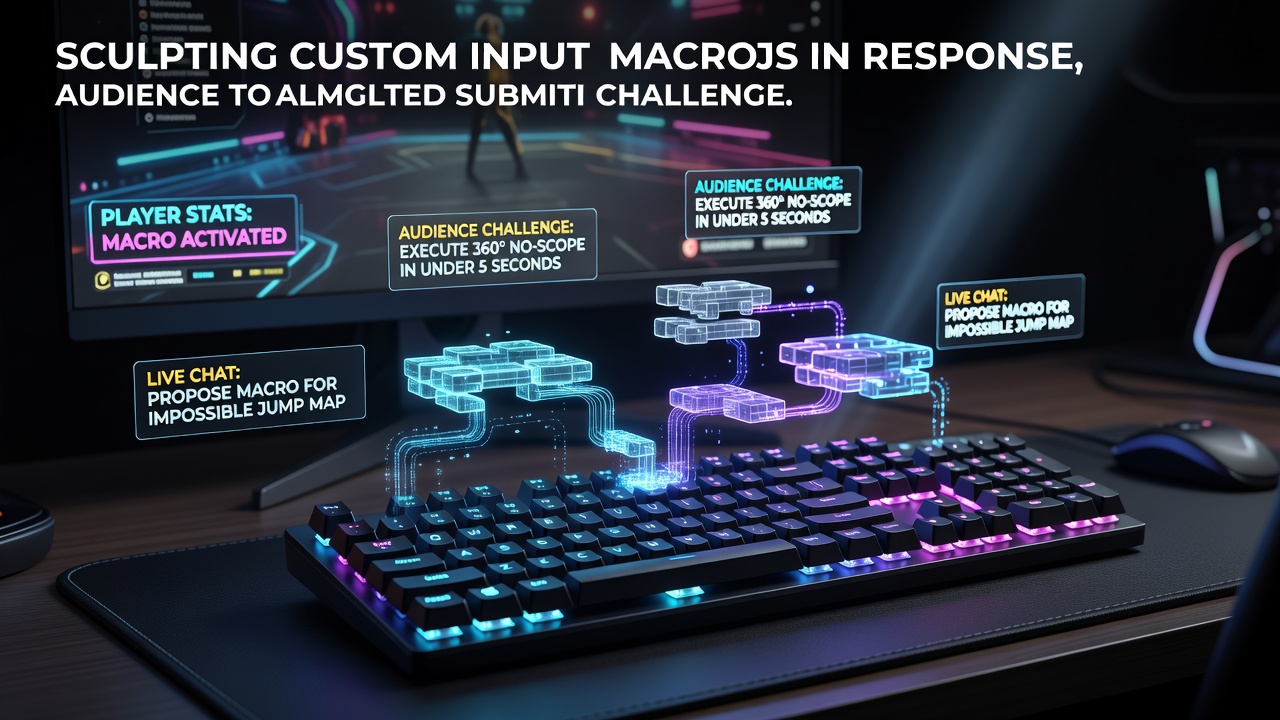
Sculpting Custom Input Macros for Audience Challenges in Live Competitive Gaming
Competitive gaming broadcasts have incorporated audience-submitted challenges through custom input macros that adjust streamer controls in real time, and this approach draws from established practices in esports production. Data from major tournaments shows that interactive elements like viewer-voted restrictions or modified input sets appear in events across North America and Asia, where systems process chat commands to trigger specific macro sequences without direct streamer intervention during matches.
Core Mechanisms Behind Audience-Driven Macros
Input macros operate through software layers that map audience inputs from platforms such as Twitch or custom extensions directly to device-level commands, and researchers at institutions in Canada have documented how these sequences integrate with controllers or keyboards to enforce temporary rule changes. A typical setup begins when viewers submit challenges via polls or text entries, after which parsing scripts convert those requests into executable scripts that simulate button presses or movement adjustments, while the system maintains synchronization with game clients to avoid detection by standard anti-cheat protocols.
Hardware like programmable keypads and software utilities such as AutoHotkey handle the execution, and figures from industry reports indicate that latency remains under 50 milliseconds in optimized configurations used during July 2026 tournaments. Observers note that macro scripts often include conditional triggers based on game state variables, allowing challenges like altered sensitivity or restricted key availability to activate only at designated moments without disrupting ongoing play.
Integration with Live Production Tools
Broadcast teams combine macro systems with streaming software to overlay challenge results on screen, and this process relies on API connections that pull data from chat services while routing outputs to input simulators. In practice, a streamer might receive a viewer-submitted request to limit certain actions, and the macro engine then remaps controls accordingly, all while capture cards continue feeding footage to viewers without added delay. Those who have examined production logs from recent events report that such setups frequently employ modular scripts that can be updated between rounds to accommodate new challenge types.
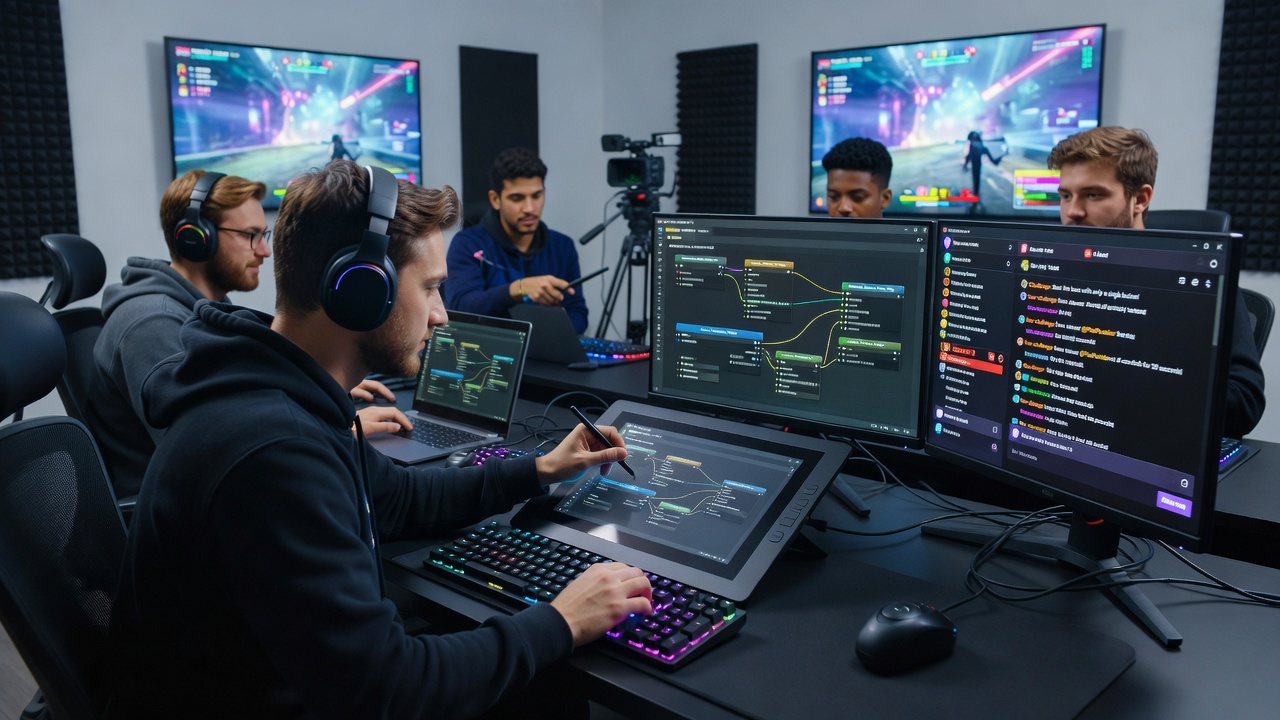
Examples from fighting game circuits demonstrate how macros enforce audience requests like mirrored controls or timed input locks, and these implementations draw on open-source libraries that support cross-platform compatibility. The European Games Developer Federation has highlighted similar technical approaches in reports on interactive entertainment, noting that developers test macro resilience against network variability to ensure consistent behavior across different regional servers.
Technical Considerations and Data Patterns
Studies from academic sources in Australia have tracked how macro response times correlate with audience engagement metrics, revealing that sessions incorporating real-time challenges maintain higher chat activity levels compared to standard broadcasts. Engineers calibrate these systems by monitoring packet timing and input queues, then adjust script priorities to prevent conflicts with native game inputs during high-stakes moments. In July 2026, several North American leagues adopted standardized macro frameworks that allow audience submissions to influence peripheral settings such as DPI adjustments or button remapping, all processed through secure channels that log every triggered sequence for post-event review.
Security protocols require macros to operate within sandboxed environments, and data compiled by the Entertainment Software Association shows that properly isolated systems reduce the risk of unintended carryover effects into subsequent matches. Teams often test these configurations in practice sessions before live deployment, verifying that each audience-submitted challenge maps to a discrete macro set without overlapping existing bindings.
Implementation Across Game Genres
Real-time strategy titles and multiplayer online battle arenas have seen macro applications for challenges involving unit selection restrictions or ability cooldown modifications, and production crews handle these through layered scripting that reads game memory addresses in controlled ways. Viewers submit options through integrated extensions, and the system queues the selected macro for activation at the next safe window, such as between rounds or after specific objectives complete. Those monitoring tournament analytics note that this method keeps competitive integrity intact while expanding participation opportunities for remote audiences.
Hardware calibration plays a role when macros interface with specialized peripherals, and calibration routines ensure that simulated inputs match the precision of manual controls across different device generations. Regional variations appear in how leagues structure these features, with some circuits in Asia emphasizing rapid challenge cycles and others focusing on longer-duration modifications that span entire sets.
Conclusion
Custom input macros that process audience challenges continue to evolve alongside competitive gaming infrastructure, supported by ongoing refinements in scripting tools and integration standards. Records from 2026 events confirm that these systems function reliably when built with attention to timing, security, and compatibility factors, and they provide structured pathways for viewer input within established broadcast frameworks.