Shared Resource Networks: Enhancing International Gaming Tournament Livestream Production Through Distributed Workflows
Iris Long · Aug 11, 2026
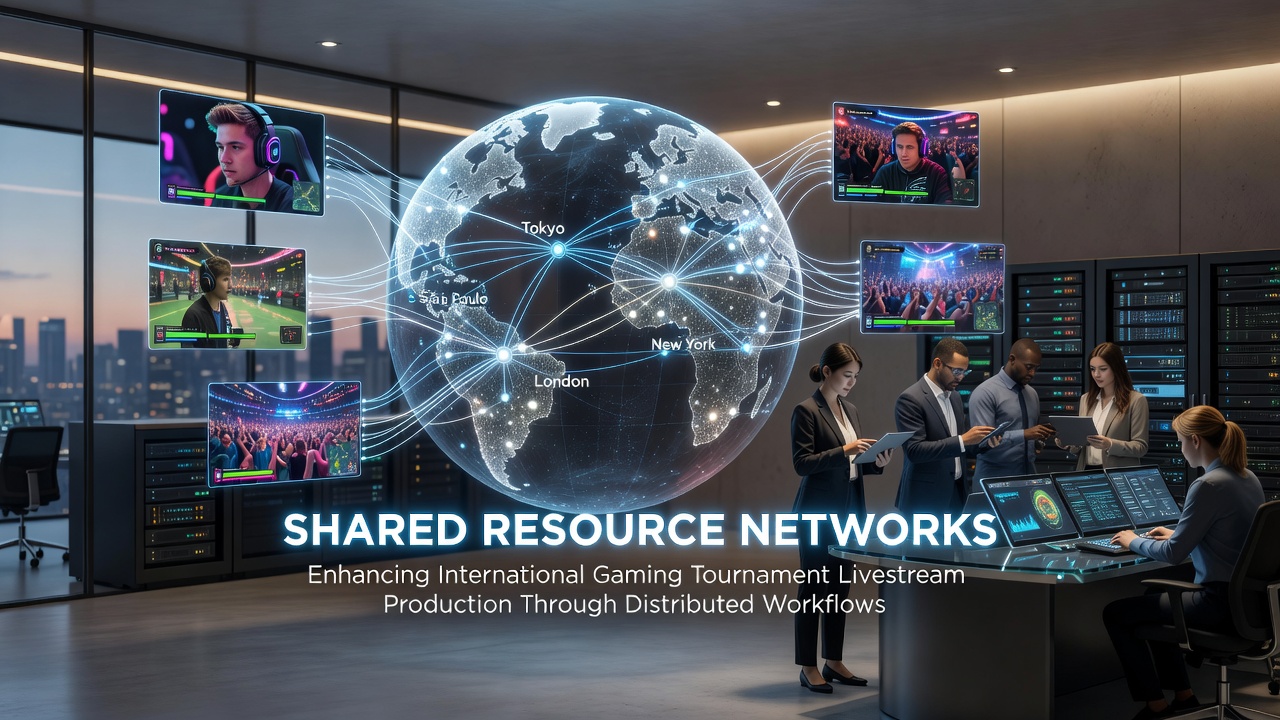
Shared Resource Networks: Enhancing International Gaming Tournament Livestream Production Through Distributed Workflows
Shared resource networks allocate computing power, storage, and bandwidth across multiple locations so production teams can handle live video encoding, graphics rendering, and audio mixing without relying on single-site hardware clusters, and this approach gained traction as international tournaments expanded their reach in 2025 and 2026.
Core Components of Shared Resource Networks
These networks combine cloud instances, edge servers, and on-premise nodes into one coordinated pool where tasks such as frame synchronization and overlay updates move between sites based on real-time demand; researchers at several technical institutes documented latency reductions when workloads shift automatically during peak match hours, while data from cross-continent events shows packet delivery rates above 99 percent when routing algorithms prioritize low-congestion paths.
Distributed workflows break traditional production pipelines into modular steps that different teams complete simultaneously, and one workflow might assign camera switching to operators in Europe while color grading occurs on Asian GPU farms and final encoding runs on North American facilities. Observers note that this division allows events scheduled for August 2026 to maintain continuous output even when one region experiences infrastructure strain.
Implementation in Tournament Settings
Production crews for major leagues began testing shared resource setups during qualifying rounds in early 2026, and figures from those trials indicate encoding times dropped by 18 percent compared with centralized models. Teams coordinate through standardized APIs that pass metadata for scene changes and player statistics so each node stays synchronized without manual intervention.
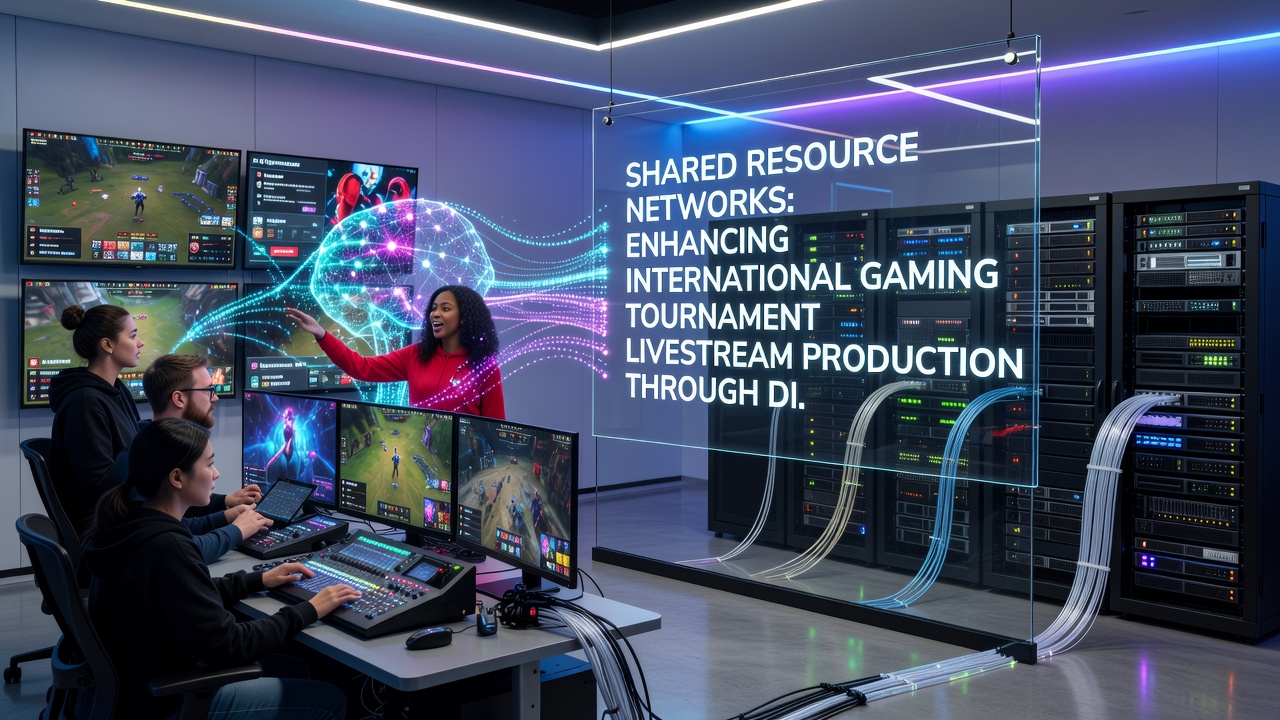
According to a 2025 study published by the University of Tokyo on distributed multimedia systems, load-balancing protocols that monitor CPU and GPU utilization across nodes cut idle time by roughly one third during extended sessions. Production leads assign specific roles such as replay generation or multi-language subtitle insertion to whichever site holds spare capacity at that moment, and this flexibility proved useful when tournaments span time zones that overlap with local maintenance windows.
Technical Coordination and Standards
Engineers rely on protocols like SRT and WebRTC extensions to move high-bitrate feeds between nodes while preserving timing accuracy, and industry reports from the Asia-Pacific Esports Federation detail how these methods support 4K delivery to multiple platforms without introducing noticeable drift. Monitoring dashboards display metrics from every participating site so operators can reassign tasks before bottlenecks form.
Security practices include encrypted tunnels and role-based access controls that limit each node to its assigned functions, while audit logs track every file transfer and command sequence for post-event review. Data from regional gaming technology assessments in Canada showed that networks using these controls experienced fewer unauthorized access attempts than isolated systems during the same period.
Scaling for August 2026 Events
Event organizers preparing for August 2026 have mapped additional edge locations in South America and Oceania to accommodate growing viewer numbers from those regions, and preliminary capacity models project that shared resource networks can absorb a 40 percent increase in concurrent streams without new hardware purchases at primary venues. Coordination meetings now include representatives from each node to align on fallback procedures should any single link degrade.
Those who manage these systems emphasize version control for software updates so all nodes run compatible codecs and plugins, and this step prevents the desync issues that once interrupted broadcasts when teams updated independently. Training programs focus on remote diagnostics so technicians at any site can troubleshoot without traveling to a central hub.
Conclusion
Shared resource networks continue to reshape how international gaming tournaments handle livestream production by spreading tasks across distributed nodes that adapt to changing loads, and ongoing measurements from 2026 events will provide further data on long-term reliability and cost patterns.