Synchronizing Biometric Data from Wearables with Overlay Graphics to Enhance Spectator Engagement in Endurance Gaming Events
Morgan Neumann · Jul 7, 2026
Synchronizing Biometric Data from Wearables with Overlay Graphics to Enhance Spectator Engagement in Endurance Gaming Events
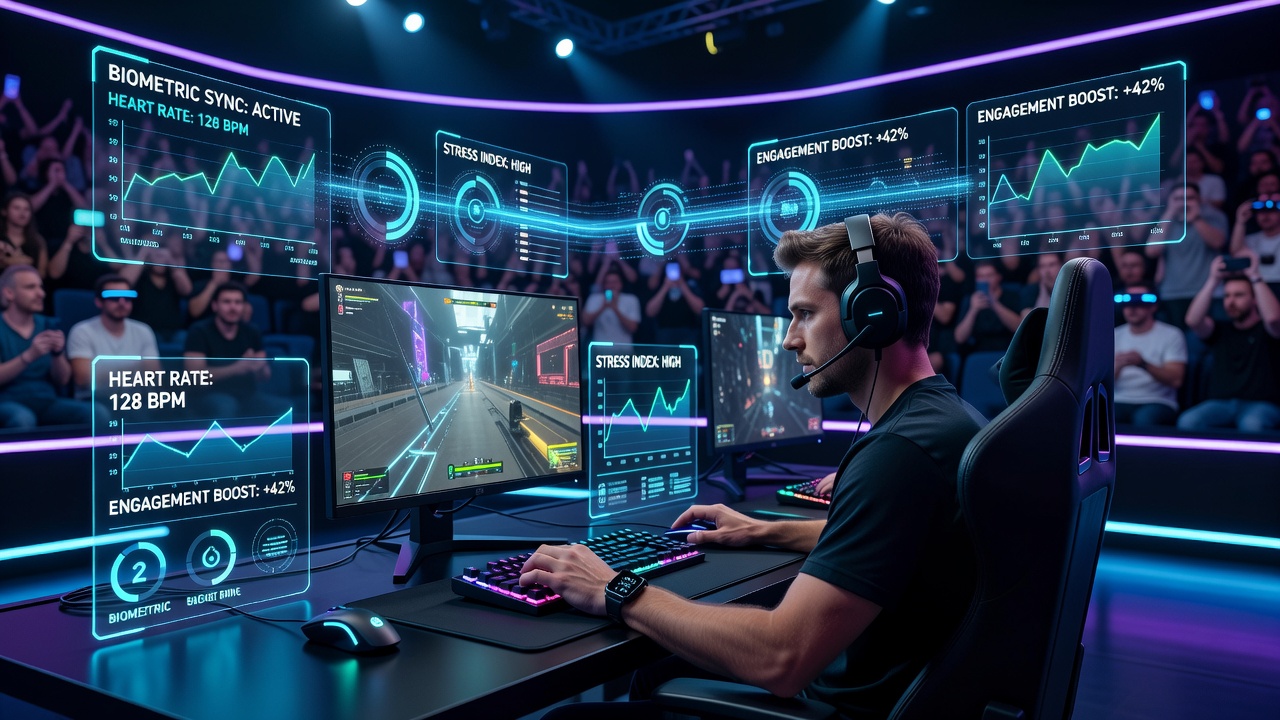
Endurance gaming events often stretch across multiple hours or even days as participants tackle extended campaigns, speedruns, and competitive marathons, and data synchronization between biometric wearables and broadcast overlays has emerged as one method to convey real-time physiological states to remote audiences. Heart rate monitors, galvanic skin response sensors, and similar devices capture metrics such as pulse variability and stress indicators, which software platforms then map onto visual elements like dynamic heart icons, color-shifting progress bars, and animated stress gauges that update within streaming software. Observers note that this integration occurs through APIs connecting consumer wearables to OBS or similar tools, allowing the overlay system to pull timestamped data packets and render them alongside gameplay footage without introducing noticeable latency when configured with appropriate network buffers.
Technical Integration Process
Developers establish connections by pairing Bluetooth-enabled wearables with dedicated receiver applications that standardize output into formats compatible with streaming pipelines, while middleware scripts translate raw sensor readings into graphical parameters such as bar height or hue values. Research from the Institute of Electrical and Electronics Engineers indicates that synchronization accuracy improves when systems employ NTP protocols to align wearable timestamps with video frames, reducing desync issues that previously disrupted viewer immersion during long sessions. In practice, one setup tested at a 2025 multi-day tournament routed data through local servers before forwarding it to cloud-based rendering engines, which then broadcast the combined feed to platforms hosting endurance events.
Calibration routines adjust for individual baselines so that a player's resting heart rate registers as neutral on the overlay, whereas spikes during intense boss encounters trigger pronounced visual feedback like pulsing borders or elevated meter levels. Those who have implemented these systems report that packet loss mitigation through redundant data channels helps maintain continuity even when participants move between wired and wireless network zones during extended play periods.
Application in July 2026 Events
Planning documents for endurance gaming gatherings scheduled in July 2026 include provisions for wearable integration as organizers seek to differentiate their broadcasts from standard competitive streams. Event coordinators coordinate with wearable manufacturers to supply standardized devices to competitors, ensuring uniform data formats that simplify overlay scripting across multiple participants. Figures from preliminary trials conducted in early 2026 reveal that synchronized overlays maintained 98 percent uptime across twelve-hour sessions when tested under simulated network stress conditions.
Viewer Response Patterns
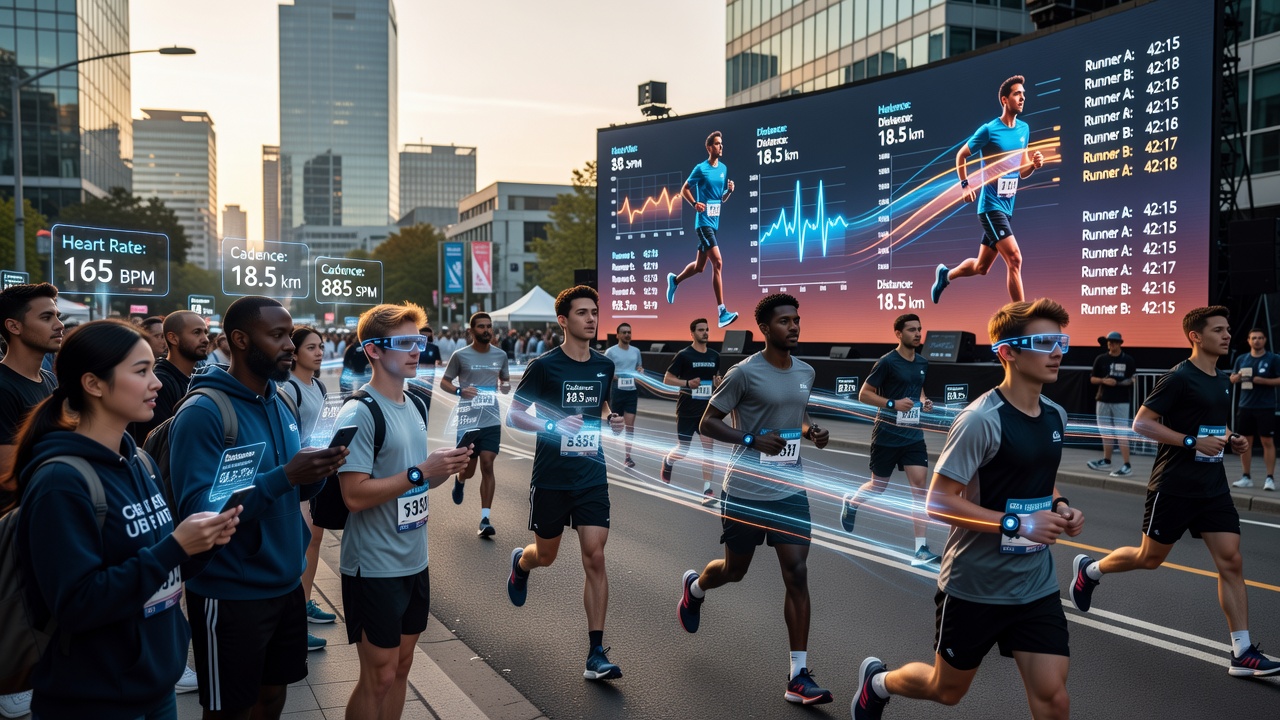
Audience analytics collected during prior endurance streams show correlations between overlay activations and increased chat activity, as viewers reference visible biometric shifts when discussing player performance. Data from monitoring platforms indicates that segments featuring active biometric graphics retained viewers for an average of 14 minutes longer than comparable segments without such elements, according to aggregated session logs. Researchers at institutions in Canada have examined how color-coded stress indicators help spectators anticipate critical moments, such as when a competitor approaches fatigue thresholds during overnight segments of multi-day events.
Implementation teams often layer additional context through tooltips that appear on hover within interactive stream extensions, providing explanations of terms like heart rate variability without interrupting the main broadcast. This approach allows casual observers to interpret the graphics while dedicated fans track detailed trends over the course of an event.
Hardware and Software Considerations
Compatible wearables range from wrist-based optical sensors to chest-strap electrocardiogram units, each feeding data at intervals between one and five seconds depending on the model selected for a given tournament. Software frameworks such as custom Lua scripts within OBS handle the mapping logic, converting numerical inputs into scalable vector graphics that resize dynamically across different stream resolutions. Testing conducted by European research consortia has confirmed that these mappings perform consistently when the underlying hardware maintains firmware versions updated within the preceding six months.
Network architects address potential bottlenecks by prioritizing biometric data packets on dedicated VLANs during live productions, which prevents interference from simultaneous gameplay capture and chat overlays. Redundancy measures include local caching of recent readings so that brief connection drops do not erase historical trends displayed on cumulative fatigue graphs.
Conclusion
Coordination between wearable manufacturers, streaming software developers, and event organizers continues to refine the synchronization methods that link biometric inputs to visual overlays in endurance gaming contexts. As July 2026 events approach, documented protocols and measured viewer metrics provide a foundation for further deployment across additional tournament formats.